
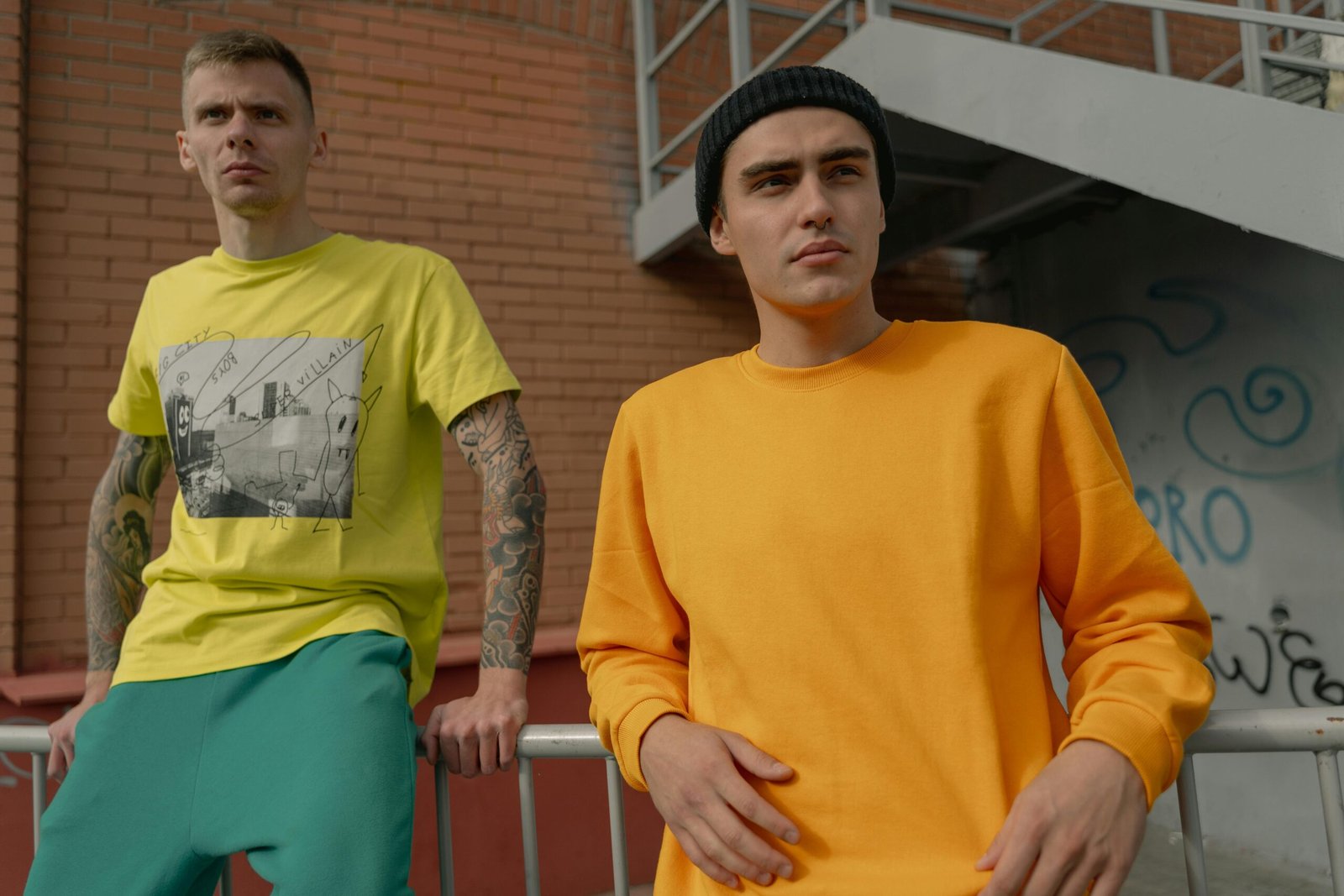
Streetwear has evolved from its niche subcultural roots in skateboarding, surf culture, and hip-hop to become the definitive force shaping modern mens global fashion. Today, streetwear brands for men span a massive spectrum—ranging from pioneering heritage skate labels and hype-driven drop models to avant-garde luxury fashion houses.
Navigating this vast landscape requires understanding the different brand pillars, historical contexts, and stylistic movements that define the culture. Whether you are looking to build a foundation of high-quality blanks, master the art of graphic outerwear, or integrate luxury technical garments into your closet, this complete informational guide details the ultimate streetwear brands every man should know.
1. The Heritage Pillars: The Foundations of Streetwear Culture
Before streetwear entered the mainstream lexicon, a select group of independent labels established the cultural codes—relying heavily on restricted supply models, graphic t-shirts, and deep subcultural ties.

- Stüssy: Founded in the late 1980s by Shawn Stussy in Laguna Beach, California, this brand is widely considered the blueprint for all modern streetwear. What began as a surf-inspired surfboard graphic label quickly evolved into a global tribe. Today, Stüssy is highly celebrated for its seamless blend of relaxed California silhouettes, workwear elements, and masterful knitwear.
- Supreme: Established by James Jebbia in downtown Manhattan in 1994 as a skateboarding shop, Supreme pioneered the “weekly drop model” that created an international culture of hyper-scarcity. Instantly recognized by its bold red box logo, Supreme remains an enduring cultural anchor through its legendary, wide-ranging collaborations with everyone from underground graffiti artists to elite luxury houses like Louis Vuitton.
2. The Contemporary Visionaries: Redefining Modern Street Style
The modern landscape shifts focus away from loud branding and places emphasis on custom-milled textiles, distinct garment dyeing techniques, and calculated vintage washes.
- Fear of God (and Essentials): Founded by Jerry Lorenzo, Fear of God completely altered mens style by introducing “luxury grunge.” Lorenzo blended high-end Italian craftsmanship with elongated silhouettes, heavy French terry hoodies, and rock-and-roll aesthetics. The brand’s sister label, Essentials, has become a global favorite for providing accessible, monochromatic loungewear featuring pristine, minimalist oversized cuts.
- Aime Leon Dore (ALD): Spearheaded by Teddy Santis in Queens, New York, ALD bridges the gap between classic menswear and street-ready sportswear. Drawing heavily from nostalgic 1990s New York basketball culture, hip-hop, and ivy-league prep, the brand is famous for its rich color blocking, tailored tracksuits, and highly coveted retro collaborations with New Balance.
3. The Avant-Garde & Luxury Innovators: High-Fashion Intersection
When luxury fashion houses recognized the global dominance of street culture, a hybrid movement emerged, combining high-concept art with functional street garment architecture.
- Off-White: The brainchild of the late designer Virgil Abloh, Off-White serves as a living artistic commentary on contemporary youth culture. Abloh introduced industrial design elements—such as bold Helvetica text in quotation marks, zip-ties, and safety-stripe graphics—to luxury hoodies and sneakers, bridging the gap between high art and the sidewalk.
- Represent: Founded by brothers George and Mike Heaton in the UK, Represent represents the massive rise of British luxury streetwear. The label is celebrated for its heavy-ply graphic t-shirts, distressed denim, and engineered blank hoodies that feature aggressive cropped waists and dropped shoulders, creating a highly flattering, structural silhouette.
Mens Streetwear Brand Archetype Matrix
To help categorize your personal style direction, look at how the top streetwear brands align on design philosophy and aesthetic focus:
| Streetwear Brand Name | Origin | Core Design Aesthetic | Key Cultural Anchor |
| Stüssy | California, USA | Relaxed Surf / Skate Workwear | The original blueprint of street style. |
| Supreme | New York, USA | Hype-Driven Skate Scarcity | Masters of the exclusive drop model. |
| Essentials (FOG) | Los Angeles, USA | Monochromatic Minimalist Comfort | The definitive source for luxury oversized basics. |
| Aimé Leon Dore | New York, USA | Retro Sportswear / Prep-Menswear | Revitalizing classic 90s NYC style. |
| Represent | Manchester, UK | British Luxury Metal & Heavy Graphics | Premium custom-milled heavyweight blanks. |
3 Core Principles for Curating a Streetwear Wardrobe
To build an authentic, visually striking streetwear rotation that transcends passing micro-trends, focus on these foundational execution elements:
- Invest Heavily in Fabric Weight (GSM): Streetwear shapes rely completely on structure. When sourcing hoodies and t-shirts, look for high GSM (Grams per Square Meter) metrics. Heavyweight cotton (350+ GSM for tees, 450+ GSM for hoodies) drapes beautifully off the shoulders and creates a distinct architectural frame that holds up over multiple wash cycles.
- Master Proportional Contrast: Avoid wearing completely tight or uniformly baggy clothing. If you choose an oversized, boxy graphic hoodie on your top half, balance the visual volume below with straight-leg cargo pants, tailored workwear trousers, or structured skate denim.
- Prioritize Your Sneaker Foundation: In streetwear culture, footwear dictates the tone of the entire ensemble. Keep a pristine rotation of classic silhouettes—such as retro New Balance runners, vintage Nike Dunks, or minimalist designer leather trainers—as the grounding anchor for your fits.
Frequently Asked Questions
What are the most influential streetwear brands for men?
The streetwear landscape is anchored by heritage giants like Stüssy and Supreme, modern luxury-minimalist labels like Fear of God Essentials and Aimé Leon Dore, and premium heavy-graphic British labels like Represent.
What does GSM mean when looking at streetwear hoodies and t-shirts?
GSM stands for Grams per Square Meter, which measures the density and weight of the fabric. High-end streetwear brands utilize heavy GSM materials (typically 400+ GSM for hoodies) because heavyweight fabrics hold their boxy, architectural shapes better and offer greater long-term durability.
How do I style oversized streetwear clothing without looking sloppy?
The key to styling oversized clothing is balancing your proportions. If you are wearing a very boxy, dropped-shoulder hoodie or graphic tee, pair it with structured, straight-leg cargo pants or tailored denim rather than baggy sweatpants to give the outfit clear visual intent.
What is the difference between heritage streetwear and luxury streetwear?
Heritage streetwear brands (like Stüssy) are deeply rooted in skate, surf, and hip-hop subcultures, focusing primarily on graphic tees, accessible pricing, and community identity. Luxury streetwear (like Off-White or Fear of God) takes those subcultural silhouettes and elevates them using premium Italian textiles, custom-milled fabrics, and avant-garde runway concepts.
How should I care for graphic streetwear tees to prevent cracking?
To preserve graphic screen prints, always flip the garment inside out before washing. Machine wash on a cold, gentle cycle using mild detergent, and completely avoid the clothes dryer. Instead, hang-dry or flat-dry the apparel to protect the graphic print from cracking due to high heat.







Add comment