
Stepping into the world of men’s fashion can feel incredibly overwhelming. With fast-moving trend cycles, cluttered retail racks, and changing style aesthetics, it is remarkably easy to over-accumulate clothing you rarely wear. Building a capsule wardrobe is the ultimate antidote to this chaos. This styling philosophy is centered around “sartorial utility”—curating a highly deliberate collection of high-quality, interchangeable essentials that prioritize clean fits, extreme comfort, and maximum versatility.
For someone just starting out, understanding a capsule wardrobe for men means shifting your focus away from clothing quantity and investing in high-yield foundational pieces. By mastering a core neutral color palette and dialing in your garment proportions, you can completely eliminate morning decision fatigue while unlocking over 50 unique outfit combinations. This beginner’s guide breaks down the core structural steps and style formulas to construct your first minimal wardrobe system.
Step 1: Enforce the 80/20 Core Palette Rule
The secret to an effortlessly interchangeable wardrobe lies entirely in your color choices. If your garments do not visually complement each other, the system fails.
- The Neutral Foundation (80%): Anchor the overwhelming majority of your capsule in timeless, hyper-versatile neutrals: optical white, heather grey, matte black, deep navy blue, olive green, and warm stone or tan.
- The Accent Injection (20%): Reserve a small fraction of your closet for one or two carefully selected accent colors (such as a rich burgundy, burnt terracotta, or slate blue) that flatter your specific skin tone and add subtle personality to your neutral bases.
Step 2: Sourcing the Beginner Capsule Essentials
A highly effective, year-round daily capsule wardrobe typically spans between 12 to 15 core clothing items (excluding active workout wear and basic undergarments). Prioritize these hard-working, versatile staples:
Premium Structural Tops
- The Heavyweight Basic Tee: Ditch thin, translucent retail t-shirts that stretch out and warp after three washes. Opt for premium 100% organic cotton crewneck tees. Look for a heavy fabric density metric (240+ GSM), which carries an elegant gravitational drape that sits cleanly away from the torso rather than clinging to your frame.
- The Oxford Cloth Button-Down (OCBD): The undisputed hero of versatile menswear. It provides an immediate structural collar shape that visually frames your face, whether it is worn neatly tucked into chinos for a hybrid work day or left untucked and open over a white tee on the weekend.
- The Fine-Gauge Knit Polo: Bridging the gap between casual and formal, a knitted cotton or pique polo adds instant texture and sophistication compared to a basic tee while delivering identical physical comfort.
Tailored and Flexible Bottoms
- Tailored Cotton Chinos: Chinos form the absolute backbone of smart-casual dressing. They sit precisely in the sweet spot between overly formal suit trousers and casual jeans. Midweight cotton-twill stretch options in classic navy, charcoal, or sand resolve daily dress codes beautifully.
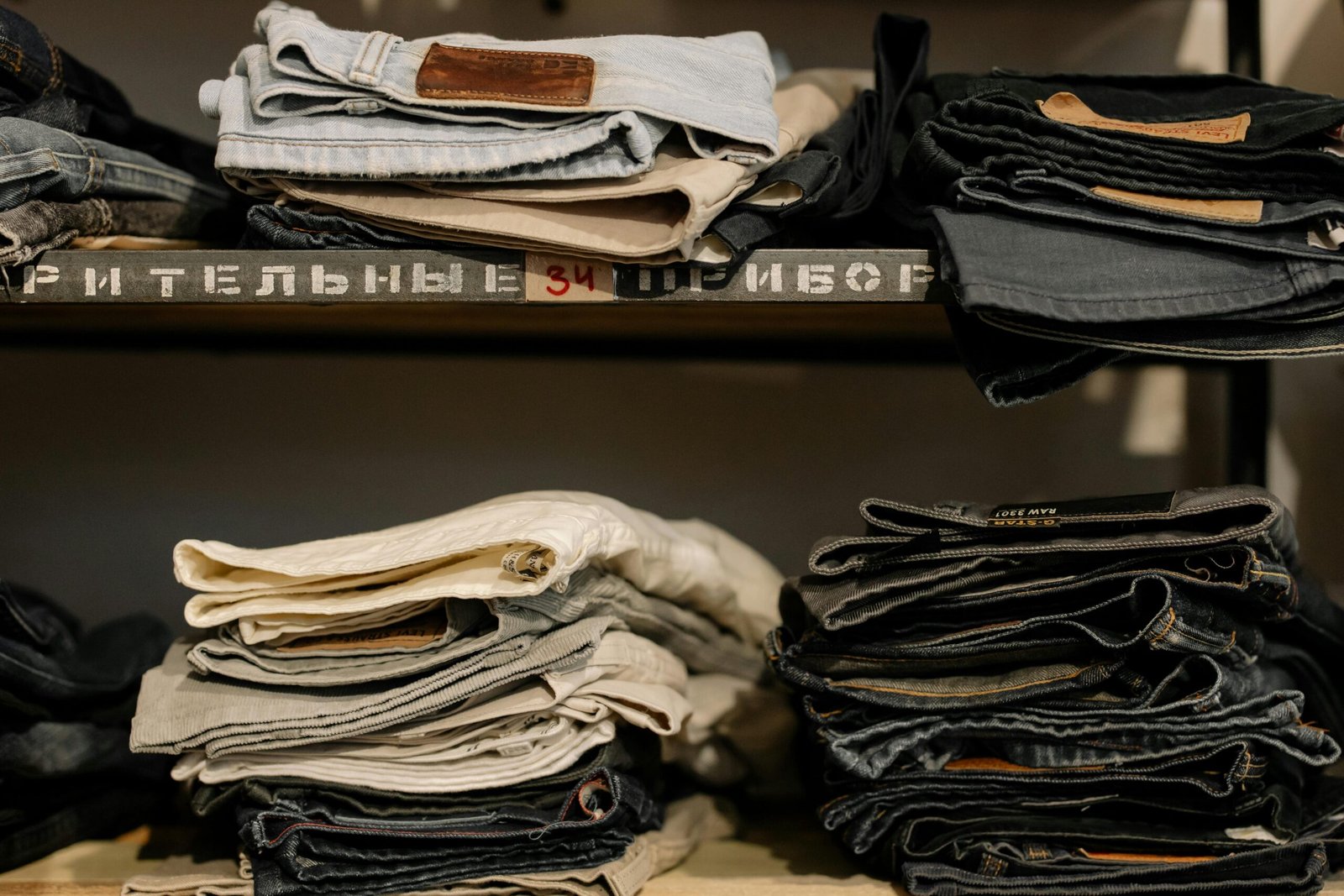
- Clean Straight-Fit Denim: Skip heavily distressed, faded, or ripped styles entirely. A dark indigo or matte black straight-leg rinse provides clean, uniform lines that seamlessly carry you from daytime routines to evening dinner dates.
Structural Outerwear
- The Unstructured Blazer: Step away from stiff, heavily padded corporate suit jackets. An unlined blazer crafted from textured hopsack wool or cotton-linen drops naturally over your shoulders like a comfortable cardigan while its crisp lapels immediately sharpen your profile.
- The Minimalist Overshirt (Shacket): Acting as the ultimate transitional layer, a rugged denim jacket or a structured twill overshirt can be thrown over a t-shirt during mild weather or styled beneath a heavy winter coat.
The Beginner Capsule Outfit Formula Matrix
The true power of a men’s capsule wardrobe is its inherent adaptability. Use this tactical matrix to see how a handful of core pieces easily morph to accommodate any daily lifestyle scenario:
| Target Aesthetic | Base Top Layer | Outer Layering Piece | Chosen Bottom | Recommended Footwear |
| The Smart Corporate | Oxford Button-Down | Unstructured Blazer | Tapered Cotton Chinos | Leather Penny Loafers |
| The Hybrid Creative | Fine-Gauge Knit Polo | Lightweight Shacket | Clean Dark Denim | Minimalist White Sneakers |
| The Premium Casual | Heavyweight White Tee | Mid-Weight Zip Hoodie | Tapered Chinos | Low-Profile Matte Trainers |
| The Refined Weekend | Cashmere Crewneck | Signature Wool Overcoat | Straight Indigo Jeans | Classic Suede Chelsea Boots |
3 Essential Rules to Long-Term Wardrobe Control
Before executing a total style overhaul, apply these three core operational habits to keep your daily clothing rotation running smoothly:
- Enforce a Strict “One In, One Out” Policy: To prevent your closet from slowly creeping back into chaotic over-accumulation, establish a firm rule: whenever you purchase a new garment, you must donate, recycle, or sell an old one. This forces deliberate intentionality behind every single buy.
- Prioritize Fabric Weight Over Clothing Quantity: Because a capsule wardrobe relies on fewer total items, each piece undergoes a much higher rotation of wear and washing. Premium natural fabrics with high GSM (Grams per Square Meter) hold their structural shape, carry a beautiful gravitational drape, resist pilling, and far outlast cheap synthetic fast-fashion alternatives.
- Coordinate Your Leather Tones: Paying close attention to minor details yields massive style dividends. Always match the color family of your leather or suede belt with your footwear (e.g., pairing a dark chocolate brown suede belt with dark brown loafers) to ensure your overall silhouette remains beautifully cohesive.
Frequently Asked Questions
What is the main benefit of a men’s capsule wardrobe?
The primary benefit of a capsule wardrobe is the elimination of decision fatigue and outfit anxiety. By curating a smaller collection of high-quality, interchangeable pieces where every top complements every bottom, you can easily create dozens of stylish looks with minimal morning effort.
How many clothing pieces should a beginner start with in a capsule wardrobe?
A beginner should start with a core foundation of 12 to 15 essential items. This count generally includes your core tops (t-shirts, oxfords, knits), bottoms (chinos, dark denim), and layering outerwear, but excludes athletic workout wear and basic undergarments.
Can I still wear jeans if I am trying to build a premium capsule collection?
Absolutely. Denim is an essential foundational staple, provided you choose a clean straight or slim-straight fit in a solid dark indigo or matte black rinse. Avoid any artificial distressing, rips, or fading so the jeans remain sharp enough to wear to the office or out for dinner dates.
What color scheme works best for maximizing outfit combinations?
To maximize your mixing potential, follow the 80/20 rule. Keep roughly 80% of your wardrobe anchored in versatile neutrals like white, navy, grey, black, olive, and tan. Use the remaining 20% for subtle accent colors that complement your skin tone and add character.
Why is fabric weight (GSM) more important than clothing quantity in a capsule?
Because a capsule wardrobe relies on fewer items, each piece undergoes a much higher rotation of wear and washing. Premium natural fabrics with high GSM (Grams per Square Meter) hold their structural shape, carry a beautiful gravitational drape, resist pilling, and far outlast cheap synthetic fast-fashion alternatives.







Add comment