
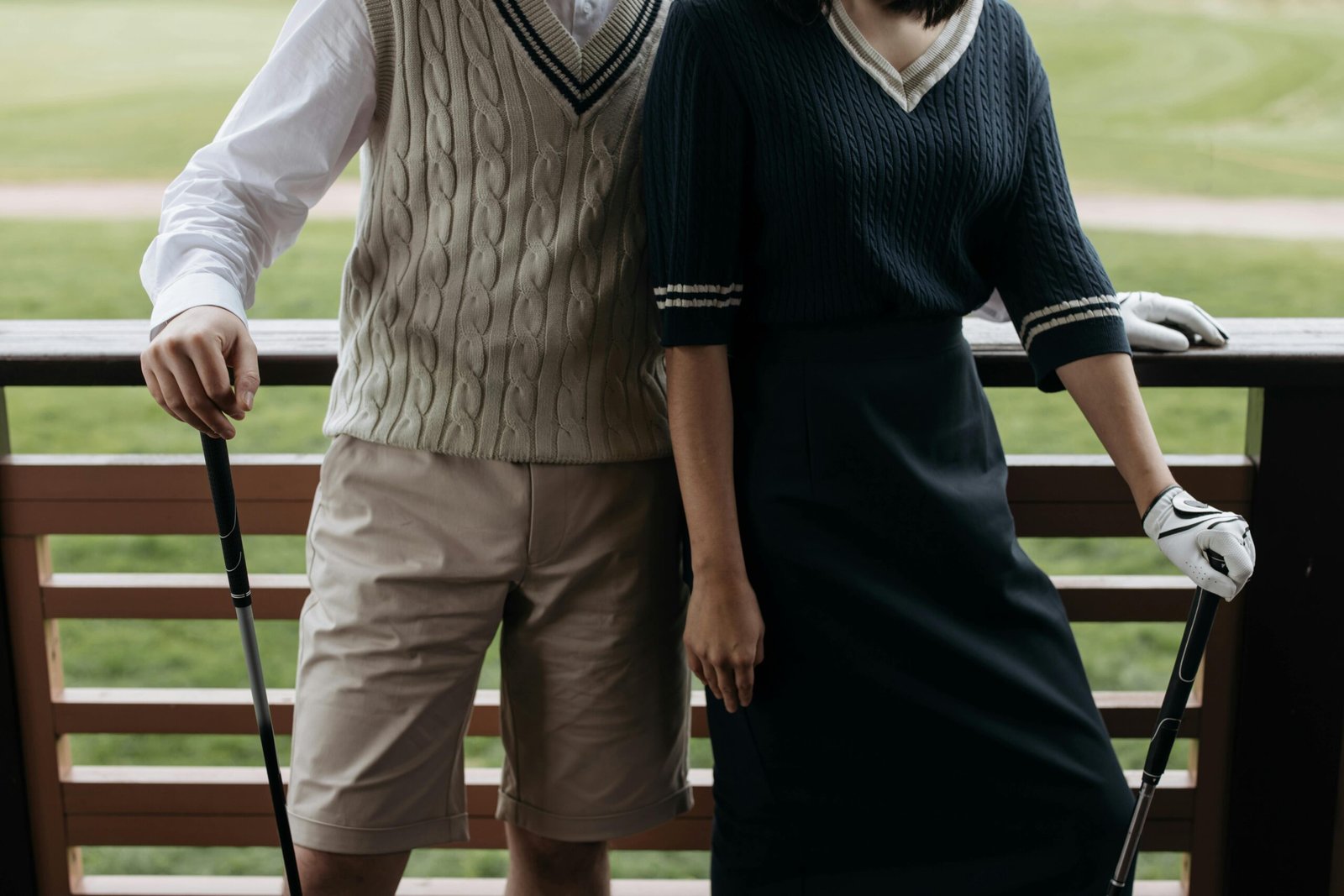
The global fascination with the old money outfits aesthetic has redefined modern style, shifting the focus from hyper-marketed streetwear back toward traditional tailoring, stealth wealth, and classic refinement. However, because this aesthetic relies entirely on understatement, executing it correctly requires a precise understanding of fabric properties, garment geometry, and textile behavior.
Many fashion enthusiasts attempting this look inadvertently make critical errors, resulting in outfits that look like theatrical costumes or cheap fast-fashion imitations rather than authentic heritage style. True sophistication is not defined by luxury branding, but by understanding how to prioritize textile density, achieve an immaculate tailored fit, and maintain perfect body proportions. This informational guide breaks down the core structural mistakes to avoid and the fundamental styling rules required to master a timeless wardrobe.
1. The Core Variable: Flimsy, Low-Density Fabrics (The GSM Error)
The single biggest mistake that ruins a classic silhouette is choosing garments crafted from thin, lightweight, synthetic fabrics. Low-quality materials lack the necessary weight to drape cleanly; they collapse against the body, wrinkle aggressively, and look instantly cheap under natural daylight.
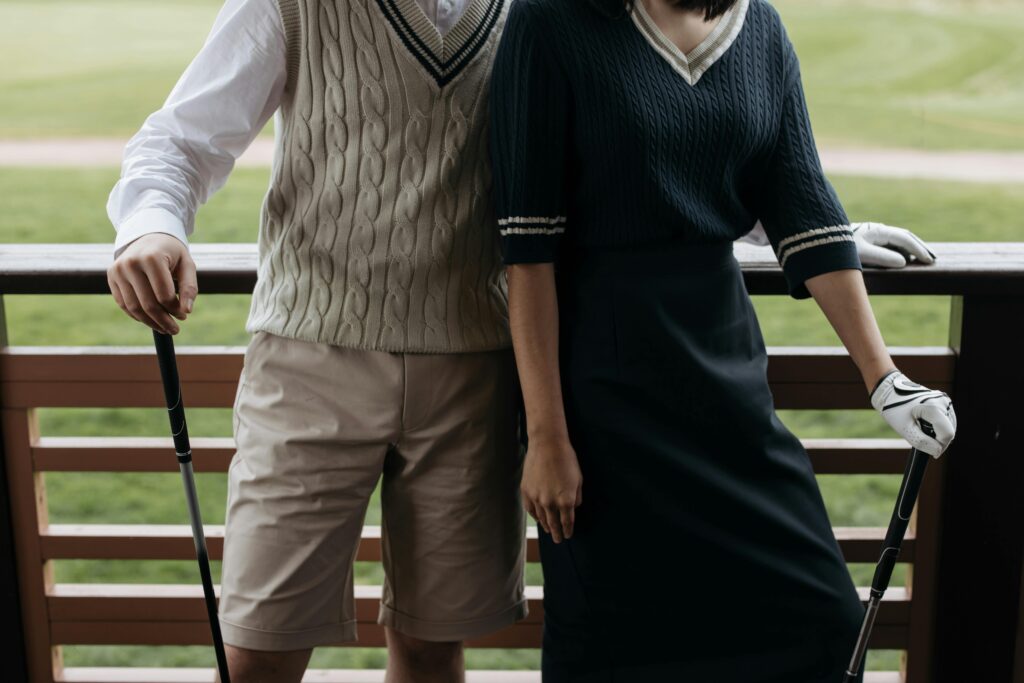
- Understanding GSM: GSM stands for Grams per Square Meter, and it dictates the overall thickness, weight, and structural density of a woven or knitted fabric.
- The Structural Benchmark: To achieve a sharp, intentional, and high-end look, your clothing must possess structural integrity. For daily knitted tops like piqué cotton polos or heavy long-sleeve tees, always target a heavy weight of 220 to 240+ GSM. For essential layering pieces like cable-knit sweaters, cardigans, and quarter-zips, look for a substantial weight of 400+ GSM in a tight, heavy gauge cotton or wool knit. Heavy natural fibers carry a beautiful gravitational weight that drops cleanly off your shoulder line and preserves a sharp, crisp profile.
2. Foundational Classic Outfits & Mistakes to Avoid
To ensure your wardrobe maintains an authentic, polished appearance, analyze your core outfits against these three foundational styling formulas:
The Structured Knit Polo & Tailored Pleated Trousers
A timeless, warm-weather baseline that relies on a clean interplay of rich textures and crisp vertical lines.
- The Mistake: Wearing a thin, polyester-blend polo with a floppy, unstructured collar that curls or sags open, paired with tight, low-rise chino pants that pull at the seams.
- The Correct Execution: Pair a substantial, high-GSM 100% cotton piqué or sweater-knit polo featuring a reinforced, rigid collar with high-waisted, straight-leg pleated trousers. Tucking a structured top cleanly into a pleated trouser creates an elegant, elongated silhouette that beautifully anchors your upper half.
The Cable-Knit Crewneck & Oxford Cotton Button-Down
The ultimate cold-weather layering combination designed to project a clean, classic collegiate or heritage aesthetic.
- The Mistake: Sizing up drastically to achieve a slouchy, streetwear-style “oversized” fit, or wearing a low-grade acrylic sweater that develops unsightly fuzz and pilling within hours.
- The Correct Execution: Layer a substantial, 400+ GSM 100% cotton or wool cable-knit sweater over a rugged Oxford Cloth Button-Down shirt. Ensure the sweater features a tight, rigid ribbed waistband. A strong waistband allows the hem to fold under neatly and rest precisely at your beltline, keeping your physical proportions perfectly balanced.
The Unstructured Twill Blazer & Straight-Leg Denim
An impeccable smart-casual combination that seamlessly bridges the gap between formal tailoring and relaxed, daily off-duty wear.
- The Mistake: Wearing an overly stiff, heavily padded corporate suit jacket over cheap, tight jeans featuring artificial rips, heavy fading, or heavy distressing.
- The Correct Execution: Start with a core heavyweight white crewneck tee or a crisp poplin button-down as your base layer. Throw an open, unstructured, unlined blazer crafted from a heavy cotton-twill or rich linen-wool blend over the top. Complete the frame with a solid pair of straight-cut, mid-wash or dark indigo selvedge denim entirely free of artificial wear.
The Old Money Outfits Error Correction Matrix
Streamline your daily outfit execution by identifying and replacing common fast-fashion mistakes with correct heritage alternatives:
| Garment Category | The Fast-Fashion Mistake | The Elegant Heritage Alternative | Why It Matters |
| Daily Tops | Thin, low-GSM synthetic polos with sagging collars. | 240+ GSM piqué or sweater-knit cotton with reinforced collars. | Holds a clean geometric frame away from the torso. |
| Knitwear Layers | Loose, oversized acrylic sweaters that pill aggressively. | 400+ GSM cable-knit cotton or wool with a rigid ribbed waistband. | Balances body proportions by resting neatly at the beltline. |
| Bottoms & Trousers | Tight, low-rise skinny chinos or heavily distressed denim. | Straight-leg pleated trousers or raw indigo denim with a clean hem. | Creates a continuous vertical line that frames footwear flawlessly. |
| Outerwear Pieces | Stiff, heavily padded synthetic blazers with synthetic shine. | Unstructured, unlined cotton-twill or linen-blend sport coats. | Delivers a relaxed, natural shoulder line that looks effortlessly polished. |
3. Strict Style Rules for Classic Heritage Dressing
Keep these three essential guidelines in mind to ensure your casual looks remain completely balanced, authentic, and elevated:
- Eliminate All Visible Logos and Branding: The core philosophy of classic stealth wealth is absolute anonymity. Large graphic prints, prominent designer labels, or flashy branding on clothing instantly disrupt clean lines and cheapen the aesthetic. Focus entirely on immaculate fits, rich textures, and deep textile dimensions.
- Enforce Perfect Footwear Proportions: Your choice of trousers and footwear must interact seamlessly. Avoid trousers that are too long and pool loosely around your ankles. Ensure your trousers are tailored and hemmed to rest cleanly right above your footwear with a minimal break line. Always opt for classic, low-profile shapes like minimalist leather trainers or suede loafers.
- Coordinate Leather and Hardware Tones: Paying close attention to minor, understated details yields massive style dividends. Always match the color family of your leather accessories with your footwear (e.g., matching a matte brown leather belt with dark brown suede loafers). Keep your metals cohesive across your outfit—such as matching a silver watch strap with a silver belt buckle—to ensure your look stays beautifully unified.
Frequently Asked Questions
What is the most common fabric mistake made when building classic outfits?
The most common mistake is choosing clothing made from thin, low-density synthetic materials like polyester, acrylic, or rayon. These fabrics lack structural weight, collapse flat against the physical frame, wrinkle easily, and emit an artificial plastic shine under direct daylight that instantly looks cheap.
What does GSM mean, and why is it crucial for a tailored look?
GSM stands for Grams per Square Meter and measures fabric thickness and density. Sourcing apparel with a high GSM (like 240+ GSM for polos and 400+ GSM for sweaters) is crucial because heavyweight fabrics provide a structural drape, hold a sharp tailored silhouette away from the body, and offer superior shape retention.
Can I wear oversized clothing within a classic heritage wardrobe?
No. While classic style embraces comfort and a relaxed drape, it strictly rejects the exaggerated, billowing ‘oversized’ street trends. Garments should be tailored to fit your body dimensions cleanly, featuring an intentional straight-leg drape for trousers and clean shoulder lines for tops and knitwear.
Why should I completely avoid designer logos when styling these outfits?
The fundamental philosophy of this aesthetic is quiet luxury and understated elegance. Visible branding, loud graphic prints, or prominent logos create visual clutter that ruins the clean lines of an outfit and contradicts the principle of stealth wealth, which prioritizes fabric quality over brand status.
What is the best way to maintain heavy cotton and wool knitwear to prevent warping?
To preserve the structural integrity of premium knits, always wash them inside out on a cold, gentle cycle with mild liquid detergent. Never hang wet, heavy sweaters on a hanger as the gravitational weight will stretch out the shoulders; instead, lay them completely flat on a clean towel to dry naturally.





Add comment