
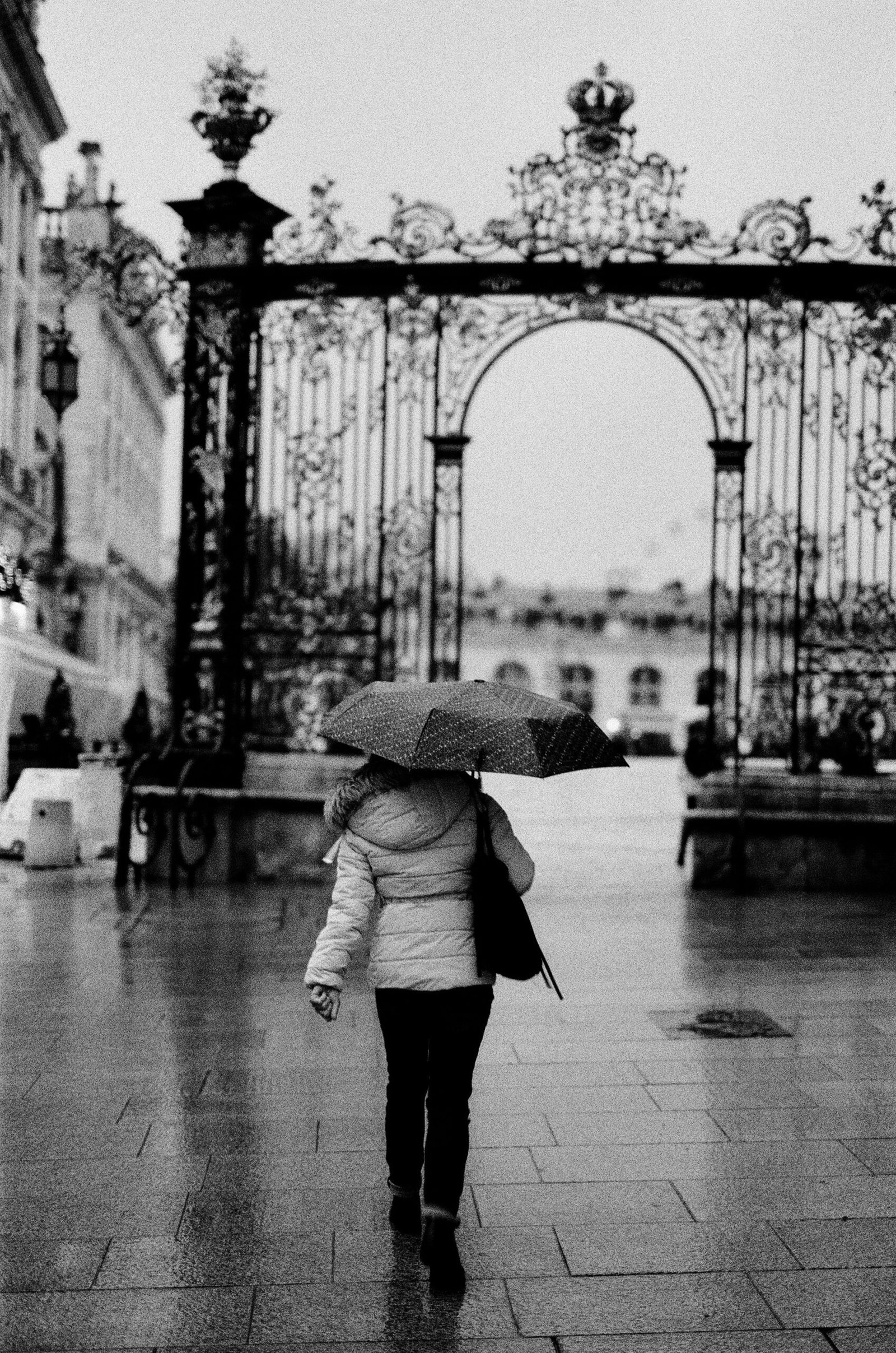
Paris is universally romanticized as a dream destination, offering world-class art, stunning architecture, and unparalleled culinary experiences. However, your dream vacation can quickly turn into a stressful logistical headache if you book your trip during the wrong time of year. While there is no truly “bad” time to see the Eiffel Tower, certain seasons bring extreme crowds, stifling weather, shuttered businesses, or inflated prices that can heavily compromise your experience.
If you want to get the absolute most out of your journey to the City of Light, understanding when not to go is just as important as planning your itinerary. Here is a breakdown of the worst times to visit Paris.
1. The August Lockdown: When the City Goes on Holiday
Many first-time travelers are shocked to discover that August is arguably the most frustrating month to visit Paris. This is due to a deeply ingrained French tradition known as les vacances d’été (the summer holidays).
- Shuttered Local Businesses: During August, hundreds of thousands of Parisians flee the city heat for the southern coast or countryside. As a result, family-run bakeries, authentic bistros, independent boutiques, and neighborhood cafes close down entirely for weeks at a time.
- The Tourist Bubble: With locals gone, the city is left almost entirely to international tourists. Instead of absorbing authentic Parisian culture, you are surrounded primarily by other travelers, and the open establishments skew heavily toward overpriced tourist traps.
2. Mid-Summer Heatwaves: June to July
While early spring is idyllic, the peak summer months of late June and July present severe environmental challenges that catch many visitors off guard.
- The Infrastructure Problem: Paris is an old, historic city built long before climate change and modern cooling systems. The vast majority of standard Parisian apartments, historic boutique hotels, metro lines, and older restaurants do not have air conditioning.
- Stifling Urban Heat: When a European heatwave strikes, temperatures in the city can easily soar past 35°C (95°F). Navigating crowded, un-air-conditioned underground metro stations or trying to sleep in a sweltering hotel room can quickly ruin the romance of the trip. Combined with massive peak-season crowds and peak-season hotel rates, mid-summer is highly grueling.
3. Fashion Weeks and Major Global Conventions
If you are traveling on a budget, you must meticulously check the city’s event calendar. Paris is the global epicenter of fashion, hosting Paris Fashion Week multiple times a year (typically in late January, February/March, June, and late September/October).
- The Price Surge: During these windows, tens of thousands of designers, models, journalists, and influencers descend upon the capital. Hotel rooms that normally cost €150 a night can triple in price instantly, and standard dinner reservations at popular spots become impossible to secure months in advance.
- Logistical Strain: High-end areas around the Louvre, Place Vendôme, and the Grand Palais become heavily congested with traffic, security barricades, and paparazzi, slowing down routine sightseeing.
Navigating the Seasonal Trade-Offs
To help you visualize the yearly cycle, this table breaks down the key drawbacks of Paris’s most challenging travel windows:
| Travel Window | Primary Drawback | Impact on Your Vacation |
| July | Peak Global Crowds & Heat | 2-hour wait times at museums; expensive flights and lodging. |
| August | Local Business Closures | Miss out on authentic dining; city feels like a tourist theme park. |
| Late Sept / Early Oct | Autumn Fashion Week | Extreme spikes in hotel rates; major restaurant scarcity. |
| November to February | Short Days & Gray Weather | Daylight fades by 5:00 PM; frequent rain and biting damp cold. |
The Verdict
If you want to experience Paris at its absolute best, try to avoid the suffocating heat and closed shops of August, as well as the budget-crushing windows of Fashion Week. Instead, look to the shoulder seasons of April to May or mid-September—times when the weather is crisp, the locals are in town, and the city truly feels alive.
Frequently Asked Questions
Are major museums like the Louvre closed in August?
No. Major national museums, monuments, and large landmarks (like the Louvre, Musée d’Orsay, Eiffel Tower, and Palace of Versailles) remain fully open in August. The closures during this month primarily affect independent, family-owned businesses, such as neighborhood bakeries, authentic local bistros, and small artisanal boutiques.
Is it a bad idea to visit Paris during the winter months?
Not necessarily, but it depends on your preferences. November through February brings cold, damp, and overcast weather with short daylight hours. However, if you don’t mind bundling up, winter offers the lowest hotel prices of the year and significantly shorter lines at major tourist attractions.
How do I find out when Paris Fashion Week is happening?
The official dates are published well in advance by the Fédération de la Haute Couture et de la Mode. It is highly recommended to check their official digital calendar before booking your flights, as hotel availability plummets and prices skyrocket during these specific weeks.
Are public transit strikes common in Paris, and when do they happen?
Industrial action and transit strikes can happen at any time of year in France, though they historically spike during the autumn and spring monitoring periods when new labor laws or budgets are negotiated. Travelers can monitor the RATP (Paris Transit) website for real-time strike warnings before and during their trip.
Does Disneyland Paris close down during the winter off-season?
No, Disneyland Paris is open 365 days a year. However, visiting in January or February means shorter park operating hours, fewer outdoor shows, and a higher likelihood of specific rides being temporarily closed for routine annual maintenance and structural refurbishment.





Add comment