
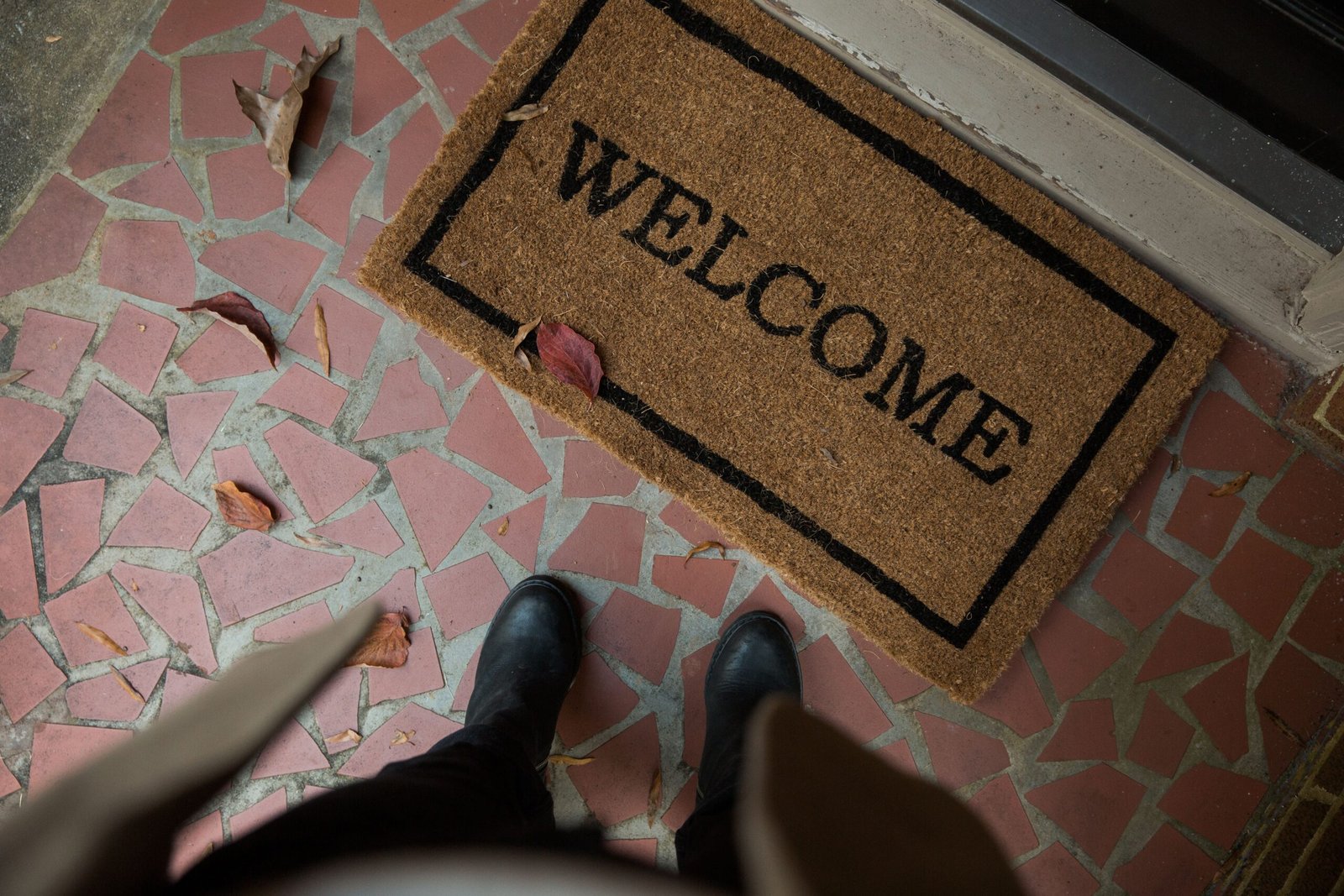
As one of the world’s premier cultural hubs, Berlin attracts hundreds of thousands of international visitors and expats annually. If you are an American planning a vacation, looking to relocate for work, or eyeing a stint as a digital nomad, a fundamental question likely crosses your mind: Are Americans welcome in Berlin?
The short answer is yes, absolutely. Berlin is an incredibly cosmopolitan, diverse, and forward-thinking metropolis where English is widely spoken and international communities thrive. However, “being welcome” in Berlin operates on a different social wavelength than the enthusiastic hospitality you might expect in the United States.
To ensure a seamless, positive experience, it is essential to understand the unique cultural mechanics, historical context, and daily social expectations of Germany’s capital city moving through 2026.
The Cultural Landscape: Acceptance vs. Directness
Berliners are notoriously famous for a social trait known as Berliner Schnauze (Berlin snout). This is a distinct dialect and behavioral style characterized by a sharp, blunt, and occasionally gruff demeanor. Newcomers—especially Americans accustomed to cheerful customer service, casual small talk, and public smiling—frequently mistake this directness for hostility or anti-American sentiment.
- It Is Not Personal: If a cafe barista does not smile, greets you with a flat tone, or abruptly corrects how you order, they are not acting out of a dislike for Americans. They treat local Berliners exactly the same way.
- The Baseline of Respect: In Berlin, being “welcome” means your personal freedom, background, and lifestyle are deeply respected and left alone. The city values authenticity over forced politeness. Once you adjust to this lack of superficial warmth, you will find that Berliners are fiercely helpful, progressive, and deeply accepting people.
Traveling vs. Living: Navigating the 2026 Reality
How you are received in Berlin depends heavily on whether you are visiting as a temporary tourist or trying to plant roots as an expatriate.
1. The American Tourist Experience
Tourists face virtually zero friction. Berlin’s economy relies significantly on global tourism, and American travelers are highly valued customers across the city’s world-renowned museums, historic Cold War landmarks, and culinary scenes.
- The Language Barrier is Minimal: Almost everyone working in Berlin’s hospitality, retail, and tourism sectors speaks flawless English.
- Safety and Navigation: Berlin remains exceptionally safe for American travelers. Your primary concern in crowded transit hubs (like Alexanderplatz or Berlin Hauptbahnhof) is routine urban pickpocketing rather than targeted geopolitical hostility.
2. The American Expat Experience
For Americans moving to Berlin long-term, the city welcomes your professional talent, but demands total compliance with its rigid structural systems.
- The Bureaucracy Shock: Germany’s administrative processes are notoriously analog and slow. Securing your Anmeldung (official address registration) and navigating the Ausländerbehörde (Foreigners’ Registration Office) for a freelance or skilled worker visa can be incredibly frustrating.
- The Housing Crunch: Berlin is facing a historic housing shortage. Landlords are highly selective, requiring an extensive paper trail, including a SCHUFA (German credit report) and three months of local income statements. Americans who arrive expecting to easily secure a flat often face a harsh reality check.
Three Rules for Americans to Blend In Seamlessly
To ensure you are warmly received by locals, avoid standard cultural pitfalls by adopting these essential local habits:
Keep Your Public Volume Down
Americans are systematically identified in Berlin by the sheer volume of their voices in public spaces. On the U-Bahn (subway) or inside quiet cafes, talking at a volume that carries across the entire room is considered deeply intrusive. Drop your speaking voice by a few notches to instantly blend into the background.
Learn the Foundational German Phrases
While you can survive entirely in English within trendier neighborhoods like Kreuzberg, Neukölln, or Prenzlauer Berg, relying solely on English is viewed as culturally lazy. Always lead your interactions with a polite German greeting (“Guten Tag” or “Hallo”) and ask if they speak English (“Sprechen Sie Englisch?”). Showing respect for the local language opens doors immediately.
Respect the Civic Rules Explicitly
Berlin is a city built on shared civic responsibility. Rules that might seem minor in the U.S. are strictly enforced by public consensus here.
| Civic Focus | The Strict Berlin Protocol |
| Jaywalking | Never cross the street on a red light, even if no cars are coming. It is heavily frowned upon, especially if children are nearby. |
| Recycling | Trash separation is a science. Mixing plastics, glass, and paper in the wrong bins will quickly irritate your neighbors or landlord. |
| Quiet Hours | Residential quiet hours (Nachtruhe) are legally mandated from 10:00 PM to 6:00 AM. Keep indoor volumes at a whisper during these hours. |
| Cash Infrastructure | While card payments have risen, a surprising number of traditional beer gardens, bakeries, and cafes still operate on a strict “Nur Barzahlung” (Cash Only) policy. Always carry Euros. |
The Verdict on Berlin
Berlin is a magnificent, rebellious, and deeply historical city that welcomes anyone who approaches it with open-mindedness, humility, and a willingness to adapt. If you leave the expectation of American-style customer service at the border, respect the local civic guidelines, and embrace the city’s raw, authentic character, you will find yourself incredibly welcome in the heart of Germany.
Frequently Asked Questions
Do I need a visa to visit Berlin as an American tourist?
No, US passport holders can enter Germany visa-free for short-term tourism or business stays of up to 90 days within any 180-day period. However, note that if you are traveling later in 2026, the European Union is slated to roll out the new ETIAS (Electronic Travel Information and Authorization System), which will require a quick online registration and a small fee prior to departure.
Is it safe for Americans to travel to Berlin right now?
Yes, Berlin is exceptionally safe for American travelers. The US State Department maintains a standard travel advisory level for Germany, noting that risks are primarily limited to routine urban petty crimes like pickpocketing. Standard travel vigilance in crowded tourist spots and transit hubs is all that is required.
Can an American move to Berlin to work remotely as a digital nomad?
While Germany does not offer a specific “digital nomad visa,” Americans can apply for a German Freelance Visa (Freiberufler). To secure this, you must demonstrate a steady income, have comprehensive local German health insurance, register a local address, and prove that your freelance work provides an economic benefit to the local region.
Why do Berliners sometimes seem rude to Americans?
This perception stems from a cultural misunderstanding. Berliners value directness, efficiency, and authenticity over superficial politeness. They generally avoid small talk and constant smiling in professional interactions. This cultural style, known as ‘Berliner Schnauze,’ is applied equally to everyone and is not a sign of anti-American bias.
Can I get by using only English in Berlin?
For a short vacation, yes—English is widely spoken in hotels, restaurants, and tourist sites. However, if you plan to live in Berlin, speaking only English will limit your social integration and make handling official government bureaucracy, utilities, and rental agreements incredibly difficult. Learning basic German is highly recommended.



Add comment