
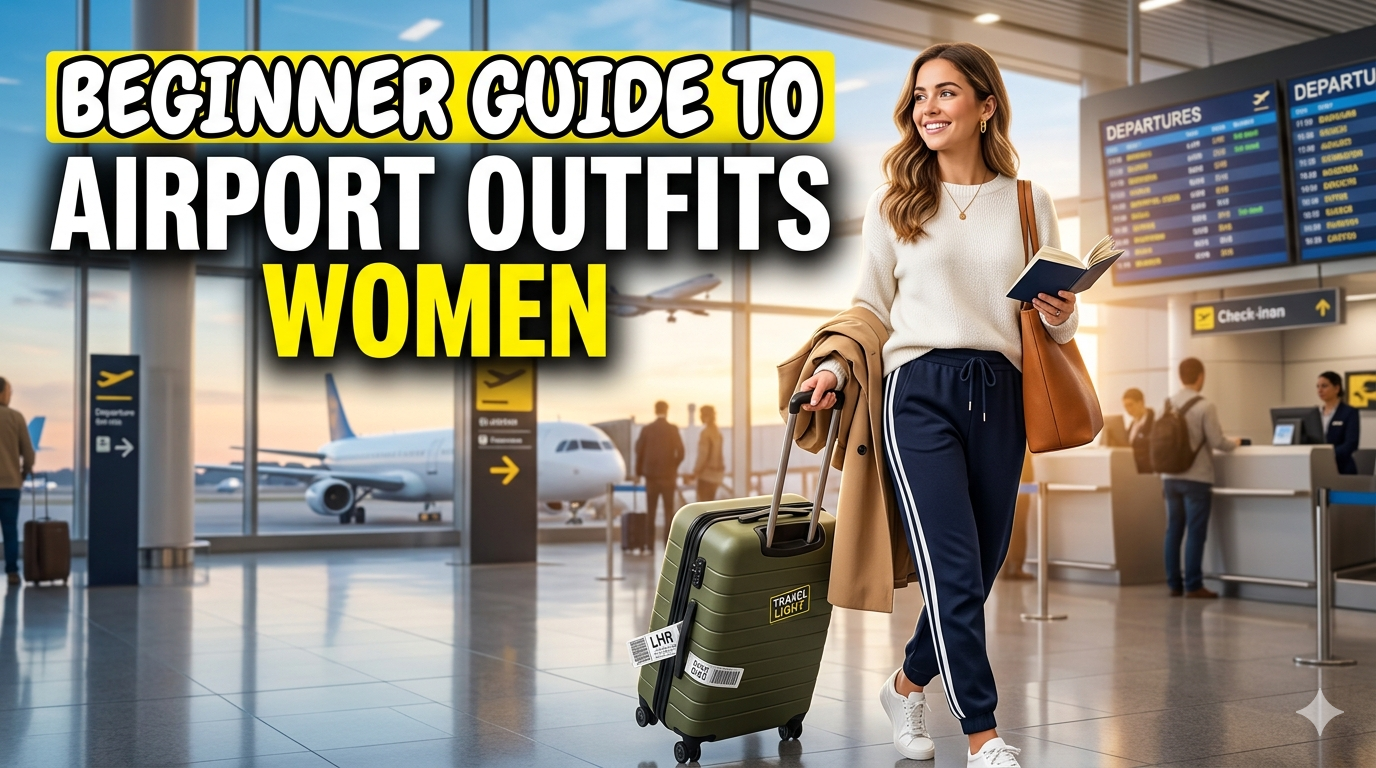
Navigating an airport can be a stressful experience, from managing tight flight connections to enduring long security lines and unpredictable cabin temperatures. The last thing you should have to worry about is an uncomfortable or impractical outfit. For travel beginners, finding the perfect balance between looking put-together and feeling completely relaxed is an art form.
The ultimate goal for airport outfits for women is effortless functionality—outfits that stretch with you during long hours of sitting, breathe through rushing walks across terminals, and layer easily when the plane’s air conditioning kicks in.
Here is your comprehensive beginner’s guide to building a foolproof, stylish, and highly comfortable travel wardrobe.
1. The Foundation: Premium Knit Co-Ord Sets
If you want to look instantly polished with zero styling effort, a matching knit co-ord set is a travel beginner’s greatest secret. It completely eliminates the guesswork of matching tops and bottoms while offering the comfort of pajamas.
- What to Look For: Opt for a relaxed-fit, wide-leg trouser paired with a matching crewneck or half-zip sweater. Look for breathable cotton-blend knits or mid-weight modal fabrics.
- Why It Works: Knit fabrics hold their structure beautifully, meaning you won’t look rumpled or wrinkled even after a multi-hour red-eye flight.
- Color Tip: Stick to muted, darker neutrals like charcoal grey, deep navy, mocha brown, or classic black. These shades look incredibly chic and easily hide any accidental coffee spills or stains during transit.
2. The Layering Champion: The Oversized Blazer or Trench Coat
The secret to elevating any basic travel outfit—like a simple t-shirt and leggings—is a structured third layer. Elevating your outerwear turns loungewear into a deliberate style statement.
- The Blueprint: Put on your favorite pair of high-rise, buttery-soft athletic leggings and a breathable white organic cotton tee. Layer a lightweight, oversized wool-blend blazer or a fluid trench coat over the top.
- The Airport Benefit: Airplanes are notoriously drafty. A structured coat keeps you warm on board and acts as a stylish shield when you arrive at a cooler destination. Plus, wearing your heaviest coat on the plane saves precious weight and space in your carry-on luggage.
3. The Modern Classic: Wide-Leg Drawstring Pants and Fitted Tops
If you prefer to avoid leggings but still want maximum comfort around your waist, loose-fitting trousers with an elasticized or drawstring waistband are your best alternative.
- The Look: Pair loose, fluid Tencel, lyocell, or heavy cotton wide-leg pants with a fitted long-sleeve bodysuit or a tucked-in rib-knit top.
- Why It’s Smart: The fitted top balances out the volume of the wide-leg pants, ensuring your silhouette looks intentional and balanced rather than sloppy.
The Ultimate Airport Outfit Checklist for Beginners
When planning your travel look, use this quick reference guide to ensure your outfit pieces meet the demands of TSA security checks and long hours in terminal seats:
| Wardrobe Component | What to Choose | Why It’s Beginner-Friendly |
| Footwear | Slip-on leather sneakers or loafers | Speeds up the TSA security line; accommodates natural foot swelling during flight. |
| Bottoms | High-waisted, elasticized pants or leggings | Zero restrictive buttons or tight denim waistbands when sitting for long periods. |
| Top Layer | Breathable cotton tee or modal bodysuit | Keeps you cool during stressful transit or rushed terminal walks. |
| Outerwear | Oversized knit cardigan, blazer, or trench | Easy to take off during security checks; acts as an extra blanket on board. |
3 Golden Rules for Airport Dressing
Before you finalize your travel wardrobe, keep these practical, beginner-friendly rules in mind:
- Ditch the Complex Hardware: Avoid clothing with excessive metal zippers, heavy chains, or intricate belts. These items will trigger metal detectors at security, forcing you to hold up the line while you remove them.
- Say No to Rigid Fabrics: Leave your stiff, 100% rigid denim jeans in your checked bag. Rigid fabrics constrict blood circulation when you are seated in cramped airplane chairs for hours at a time.
- Prioritize Socks: If you are wearing slip-on shoes or loafers, always wear a pair of comfortable, breathable socks. You will be required to take your shoes off at many airport security checkpoints, and walking barefoot on airport floors is highly unhygienic.
By mastering these simple layering techniques and prioritizing soft, flexible fabrics, you can step off any flight looking completely fresh, collected, and ready to explore your destination.
Frequently Asked Questions
What should a beginner wear on a long-haul flight?
For a long-haul flight, prioritize soft layers. A matching knit co-ord set or high-quality leggings paired with a breathable cotton t-shirt and an oversized sweater or cardigan is ideal. Ensure your waistband is elasticized to guarantee comfort during hours of sitting.
How can I look stylish at the airport while staying comfortable?
The easiest way to look stylish is by incorporating a “third layer rule.” Adding a structured, oversized blazer, a classic trench coat, or a sleek denim jacket over simple loungewear instantly elevates your look. Sticking to a monochromatic or neutral color palette also creates an expensive, put-together aesthetic.
What are the best shoes to wear through airport security?
Opt for comfortable, supportive slip-on shoes, such as lifestyle sneakers with flexible laces, leather loafers, or low-profile slides. Avoid boots with complex buckles or lace-up sneakers that take a long time to remove and put back on at the TSA checkpoint.
Why should I avoid wearing tight jeans on a plane?
Tight, rigid denim jeans do not stretch and can severely restrict blood circulation, leading to bloating, discomfort, and an increased risk of deep vein thrombosis (DVT) during long periods of physical inactivity in high-altitude cabins.
How should I dress to accommodate changing temperatures between my origin and destination?
The key is smart layering. Start with a lightweight, breathable base layer (like a cotton tank or short-sleeve tee) for warm weather. Add a mid-layer sweater for the air-conditioned cabin, and top it off with a heavy coat or jacket if you are landing in a cold climate.






Add comment