
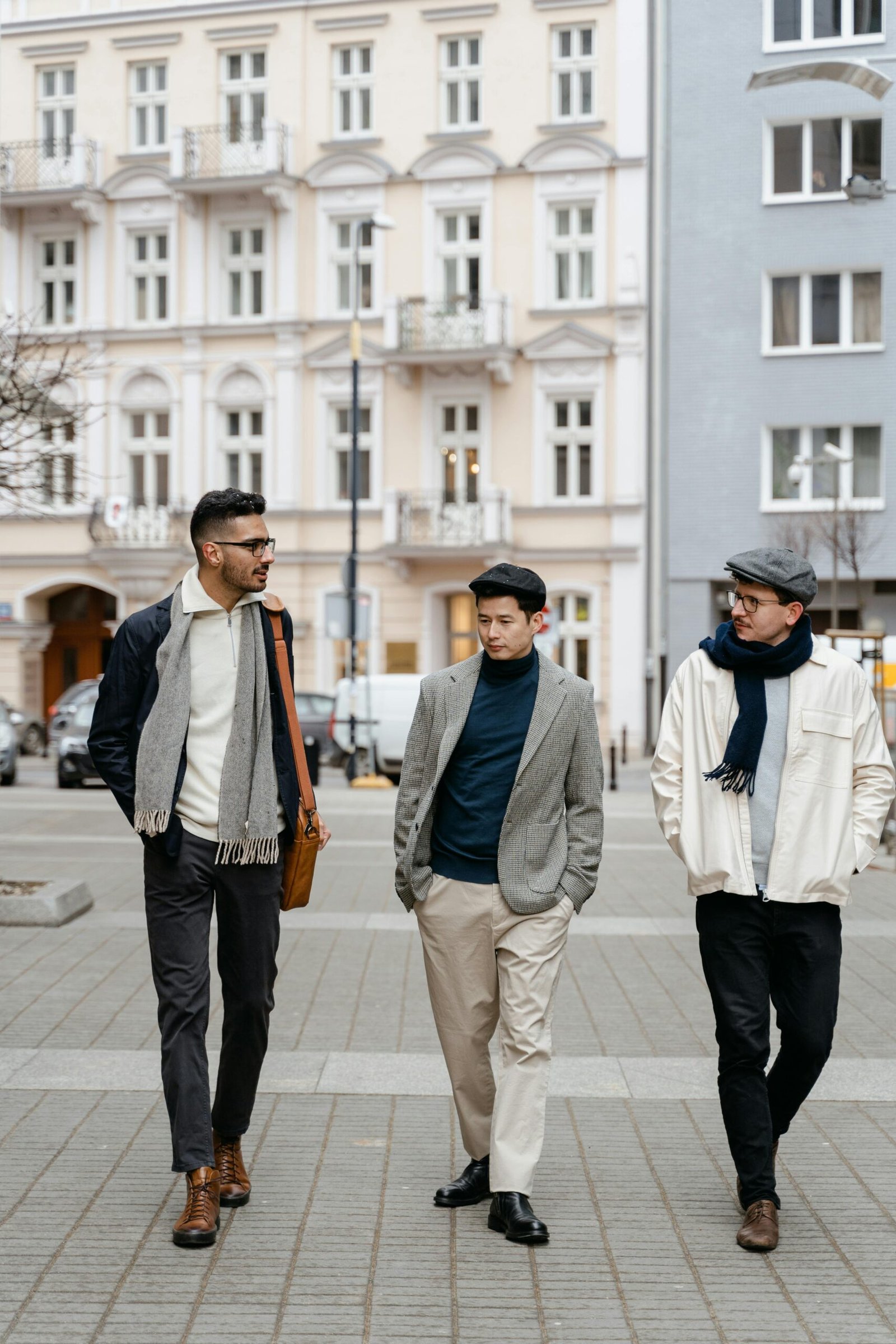
The “smart casual” dress code can often feel ambiguous, but its core definition is highly practical: it is the art of combining relaxed wardrobe basics with sharp, structured items so your entire outfit looks completely intentional. It exists in the perfect middle ground—sharper than casual streetwear or standard gym clothes, yet significantly less rigid than formal business attire.
Mastering smart casual for men allows you to navigate hybrid work environments, afternoon networking events, or dinner dates seamlessly without looking under- or over-dressed. This guide breaks down the defining rules, essential garments, and no-fail daily style formulas to achieve effortless coordination.
1. The Core Rule: The Formality Swap
The easiest way to build a flawless smart casual look is to start with a standard casual outfit foundation and swap one or two items for something traditionally formal.
- The Blueprint: Start with a basic mental baseline: a plain t-shirt, dark denim jeans, a casual hoodie, and everyday sneakers.
- The Adjustment: To elevate this immediately into smart casual territory, swap out the casual hoodie for a structured, unlined wool blazer, or exchange the basic t-shirt for a crisp Oxford cloth button-down. Alternatively, keep the t-shirt and hoodie but trade the casual denim for a clean pair of tailored, stone-colored chinos and sleek suede loafers.
2. The Smart Casual Style Foundations
To establish a highly versatile, interchangeable daily wardrobe, focus your attention on these foundational pieces:
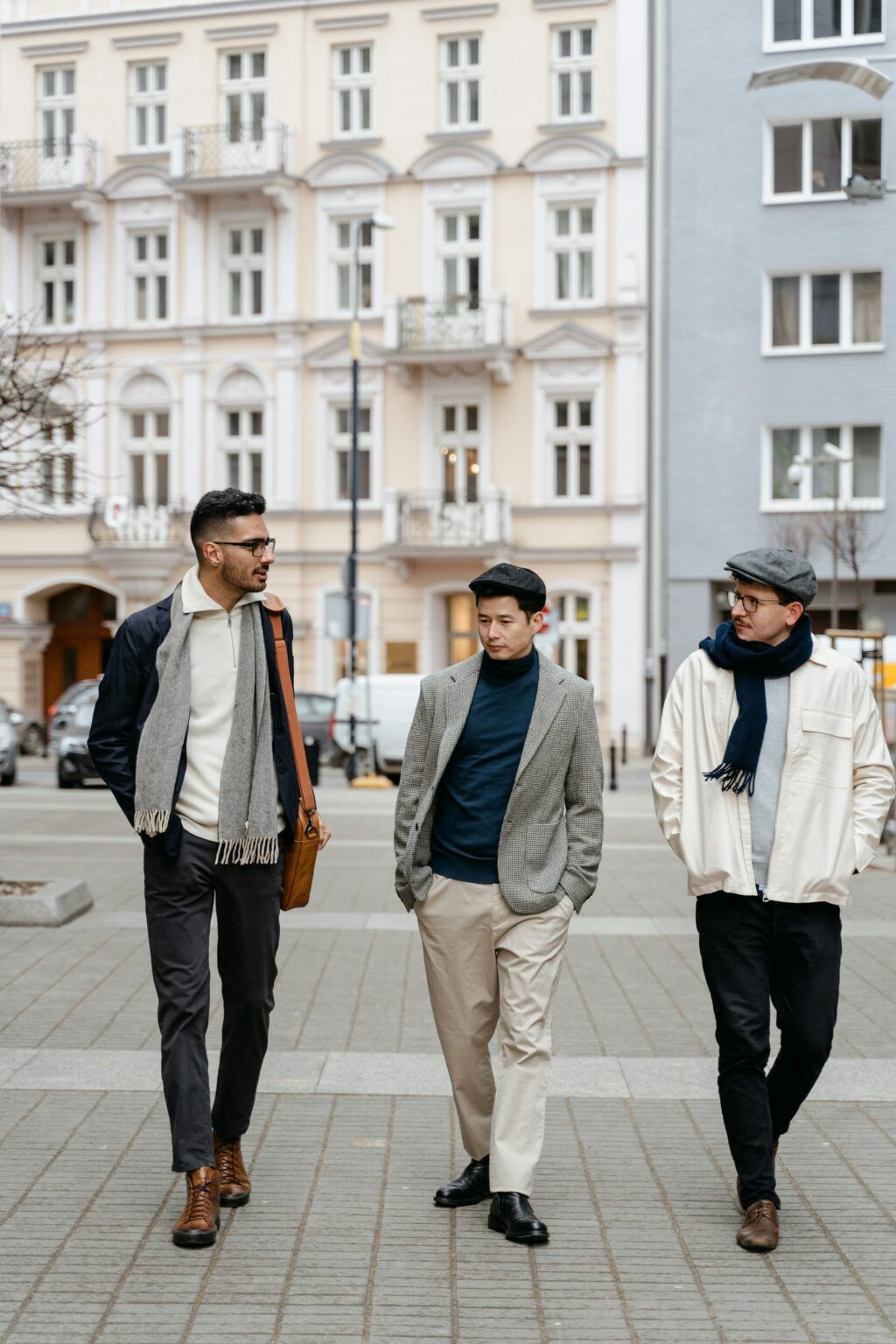
Tops & Layering Elements
- The Oxford Cloth Button-Down (OCBD): The undisputed hero of versatile menswear. It provides an immediate structural collar shape that visually frames your face, whether it is worn neatly tucked into chinos for a presentation or left untucked over a premium tee for the weekend.
- The Knit Polo Shirt: A well-fitted polo shirt instantly looks more sophisticated and elegant than a graphic tee while delivering the exact same tier of physical comfort. Stick to rich, solid colors like navy, charcoal grey, and olive green.
- The Unstructured Blazer: Traditional suits rely on heavy, roped shoulder pads that create a corporate look. Modern smart casual relies on unstructured blazers featuring soft, unpadded shoulders and lighter fabrics. They move naturally with your body like a cardigan but maintain a highly polished aesthetic.
Bottoms & Footwear
- Tailored Chinos: Chinos form the absolute backbone of mid-tier dressing. They sit precisely in the sweet spot between overly formal suit trousers and casual jeans. Earthy tones like beige, taupe, khaki, and navy are highly recommended for endless mixing.
- Solid Dark-Wash Denim: Jeans are completely acceptable for smart casual environments, provided they meet strict criteria: choose a solid mid-to-dark wash or clean black with absolutely zero distressing, rips, fading, or fraying. The cut should be a regular or straight fit that finishes with a clean break right at your shoe line.
- Minimalist Leather Sneakers: Spotless, low-profile leather lifestyle sneakers in solid white or matte black are widely embraced in modern offices. Keep them meticulously clean to preserve their sharp visual edge.
Daily Smart Casual Outfit Formula Matrix
Use these reliable combinations to streamline your morning styling routine based on your daily itinerary:
| Outfit Name | Top Layer | Bottom Layer | Footwear Choice | Best Suited For |
| The Trustworthy Standard | Oxford Button-Down (White/Blue) | Tailored Beige Chinos | Classic Leather Loafers | Client meetings & daily office wear |
| The Creative Modern | Premium Knit Polo + Unstructured Blazer | Dark-Wash Straight Denim | Minimalist White Sneakers | Hybrid workspaces & casual Fridays |
| The Transitional Layer | Premium Tee + Textured Overshirt | Olive Green Chinos | Suede Chelsea or Chukka Boots | Coffee dates & weekend lunching |
| The Evening Dinner | Fine-Gauge Knit Crewneck Sweater | Charcoal Tailored Trousers | Dark Brown Derby Shoes | Fine dining & evening social gatherings |
3 Professional Styling Tips to Refine Your Look
- Utilize Color and Texture Thoughtfully: Darker color shades and smooth, tight fabric weaves (like fine wool and poplin cotton) naturally project formality. Conversely, lighter shades and rough, visible fabric textures (like linen, corduroy, and textured knits) lean casual. Mix these elements together to finely dial in your outfit’s vibe.
- Match Your Leather Tones: Paying close attention to minor details yields massive style dividends. Always match the color family of your leather belt with your leather footwear (e.g., pairing a dark chocolate brown suede belt with dark brown loafers) to ensure your overall silhouette remains beautifully cohesive.
- Prioritize Precision Tailoring: A smart casual outfit can easily look messy if the garments are too long or billowy. Ensure your shirts fit comfortably across your chest without bunching up, and take your trousers to a professional tailor so they rest cleanly right above your footwear without creating massive puddles of fabric around your ankles.
Frequently Asked Questions
What exactly is the smart casual dress code for men?
Smart casual is a style code that sits between casual everyday wear and business attire. It involves combining relaxed basics (like clean sneakers or t-shirts) with structured, formal items (like blazers, oxford shirts, or chinos) to create a look that feels put-together, comfortable, and intentional.
Can you wear jeans as part of a smart casual outfit?
Yes, jeans are fully acceptable for a smart casual look if they are in a solid dark wash, dark indigo, or black. They must be completely free of distressing, rips, and heavy artificial fading, and should feature a clean straight or regular fit that sits neatly above your shoes.
What is an unstructured blazer and why is it recommended?
An unstructured blazer lacks the rigid internal canvas padding and sharp shoulder scaffolding found in traditional suit jackets. This allows the garment to drape more naturally and casually, making it incredibly easy to pair with casual clothing like t-shirts, polos, and chinos without looking overdressed.
Are sneakers allowed in a smart casual office environment?
Yes, sneakers are widely accepted in modern smart casual workplaces. However, they must be minimalist lifestyle sneakers—preferably crafted from clean white or dark leather with a low profile. Brightly colored athletic trainers, running shoes, and bulky gym sneakers should be avoided.
How do color and fabric texture affect how smart or casual an outfit looks?
Darker colors and smoother, tightly woven fabrics (like smooth wool or crisp cotton) look inherently smarter and more formal. Lighter color palettes and highly textured, rugged fabrics (like linen, slub cotton, or corduroy) feel naturally relaxed and casual. Balancing these elements helps you adjust the formality of your outfit.




Add comment