
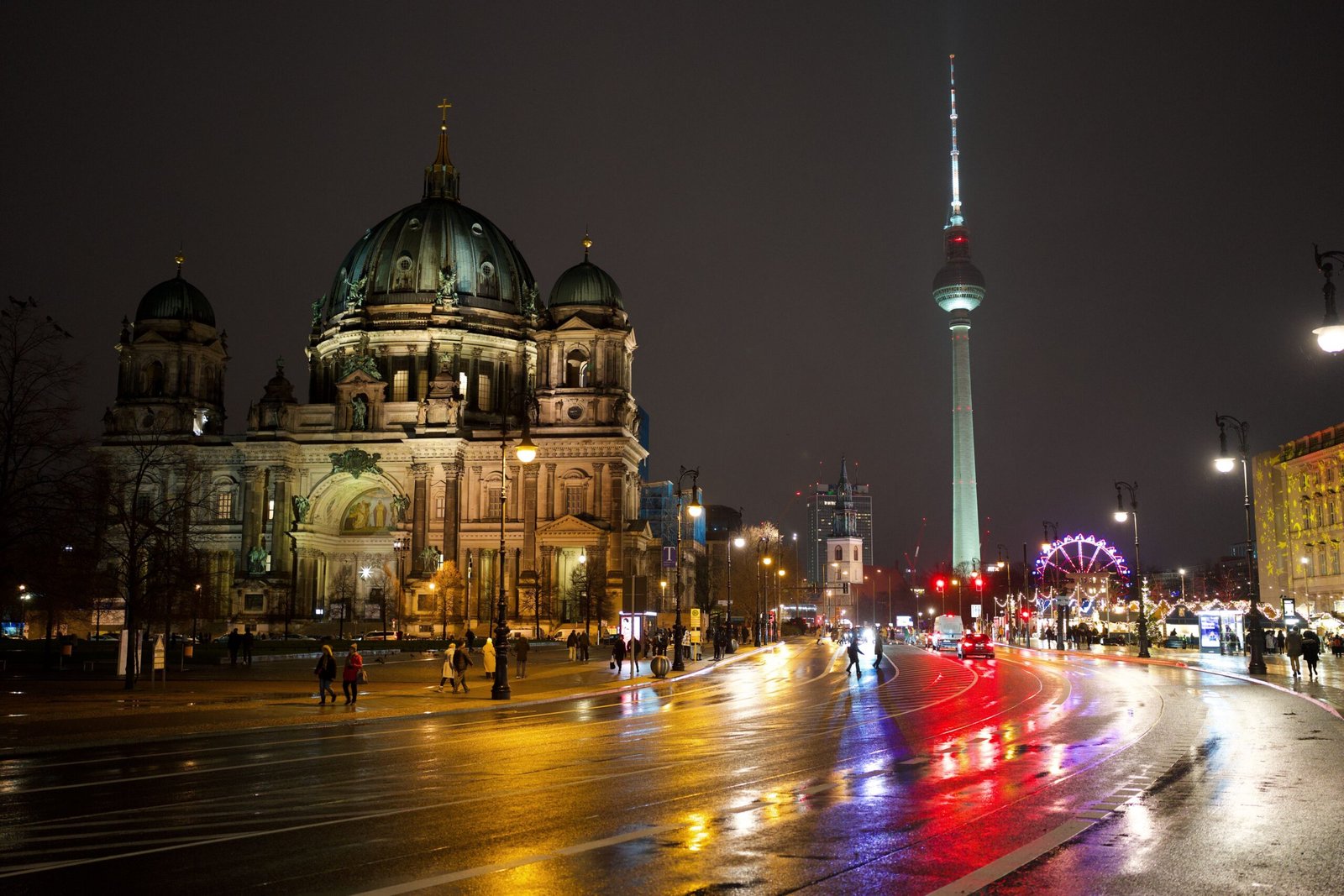
Berlin is not a city that yields its secrets easily. Unlike some European capitals where the main attractions are clustered within a few walkable blocks, Berlin is expansive, decentralized, and layered with the complex debris of the 20th century. Because of its sheer geographic and historical density, the question of “how many days is enough” rarely has a one-size-fits-all answer.
Are you a history enthusiast looking to walk the entire length of the Berlin Wall, or a digital nomad dipping your toes into the city’s famous cafe culture? To plan the perfect trip, you must calibrate your duration based on your travel style. Here is a breakdown to help you decide exactly how long you should spend in Germany’s capital.
The 2-Day “Snapshot” Trip: The High-Octane Rush
If you are on a fast-paced European tour, two days is the absolute minimum required to see the “Big 5” hits. You will spend these 48 hours almost entirely in the Mitte district.
- What to expect: You will focus on the heavy hitters: The Brandenburg Gate, the Reichstag, the Memorial to the Murdered Jews of Europe, Checkpoint Charlie, and the Topography of Terror.
- The trade-off: You will be checking boxes, not absorbing context. You will likely rely on high-energy walking tours to connect the dots, and you will have very little time to sit in a park, explore the artistic neighborhoods like Kreuzberg, or actually sit down for a long German meal. If you have only two days, prioritize a specific area or interest—perhaps WWII history—rather than trying to cover the entire city geography.
The 4-Day “Well-Rounded” Trip: The Sweet Spot
For most travelers, four days is the “Goldilocks” duration. This timeframe allows you to move beyond the tourist center of Mitte and integrate yourself into the city’s distinct neighborhoods.
- The itinerary balance: With four days, you can dedicate one full day to the intense history of the Cold War and WWII. A second day can be reserved for Museum Island, where the sheer volume of artifacts (like the Nefertiti Bust) requires several hours of focused attention.
- The local vibe: The remaining two days allow you to explore the local culture. You can spend an afternoon browsing the flea market at Mauerpark, eating your way through the food stalls of Neukölln, or taking a relaxed walk through the Tiergarten. Four days gives you the breathing room to actually experience why people fall in love with Berlin, rather than just sightseeing.
The 7+ Day “Deep Dive” Trip: The Immersion
Berlin is a city of layers. Many visitors are surprised to find that after four days, they have barely scratched the surface of the city’s subcultures, nightlife, and surrounding regions. A week-long stay shifts your focus from “tourist” to “temporary resident.”
- Day trips: With a full week, you can easily escape the city center. A day trip to Potsdam to see the Sanssouci Palace and gardens is highly recommended. Another day can be spent at the Sachsenhausen Concentration Camp memorial, which requires an emotional and logistical commitment that is difficult to fit into a short trip.
- Unstructured exploration: A seven-day stay lets you find your “local” coffee shop, explore street art in Friedrichshain without a map, and spend an evening experiencing the world-famous nightlife or independent cinema scene. If you are a history buff or an urban explorer, seven days will not feel like too much; it will feel just right.
Variables That Change the Math
Your ideal duration will also fluctuate based on three key factors:
- Seasonality: In the depths of winter (November to February), daylight is limited, and the cold can make outdoor walking exhausting. You will likely want more days to see the same amount of content you would breeze through in the long, sunny days of June.
- Pace: Berlin is physically demanding. The city is massive, and you will do significant walking. If you prefer a relaxed pace where you sit for coffee and people-watch, add 25% more time to your itinerary.
- Group Dynamics: If traveling with children or large groups, logistical overhead increases. Moving a group of four through the U-Bahn and into a restaurant takes twice as long as moving solo.
Final Recommendation
If you have a choice, aim for four days. It is the perfect amount of time to reconcile the city’s grim past with its vibrant, creative present without succumbing to travel burnout. Berlin is a marathon, not a sprint—plan accordingly.
Frequently Asked Questions
Can I see Berlin in a single weekend?
Yes, you can see the absolute highlights in a weekend, but it will be exhausting. Focus on the main landmarks in Mitte, use the hop-on-hop-off bus to save on transit time, and accept that you won’t have time for museums or neighborhood exploration.
Is 3 days enough for history buffs?
Three days is sufficient for a ‘highlights’ history tour, but it will be packed. You will be able to visit the major WWII and Cold War memorials, but you will likely have to choose between deep-dive museums like the DDR Museum or the Topography of Terror rather than doing both thoroughly.
Should I plan for extra days for day trips?
Yes. If you plan to visit Potsdam or Sachsenhausen, add at least one extra day to your itinerary. These excursions take the better part of a full day, including travel time, and shouldn’t be squeezed into a schedule already crowded with city attractions.
How does the season affect my planning?
In summer, you can optimize your time by spending evenings in beer gardens and parks, effectively extending your sightseeing hours. In winter, you are more reliant on indoor museums, which have fixed closing times and require more time to navigate, so allocate an extra day if traveling between November and March.
Is public transport efficient enough to save time?
Berlin has one of the best public transport systems in the world (U-Bahn, S-Bahn, trams, and buses). It is highly efficient and reliable. You don’t need to rent a car, which would actually be slower and more expensive due to traffic and parking issues. Using the public transit network is the fastest way to get between distant neighborhoods.






Add comment