
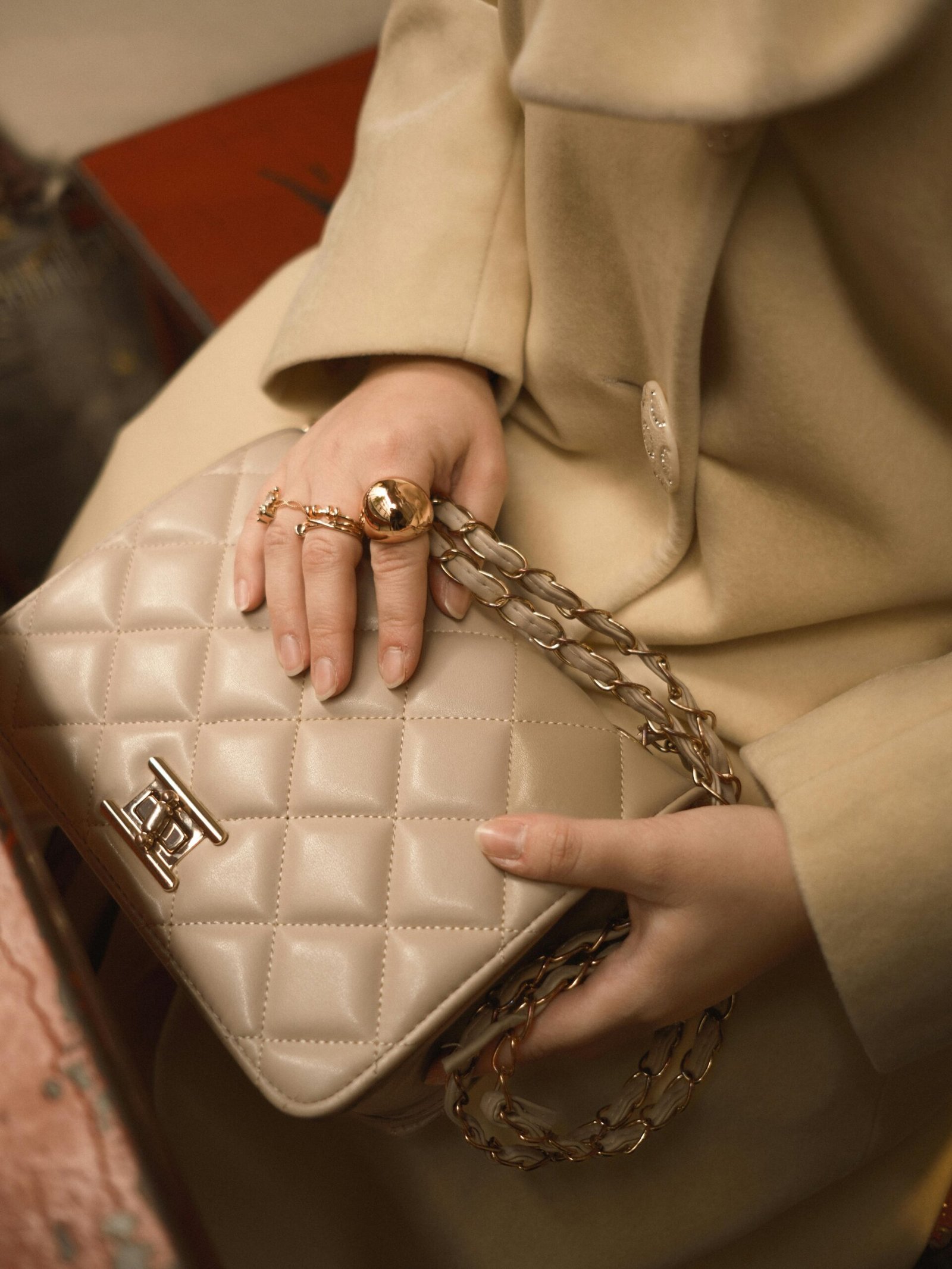
Mastering a high-end wardrobe relies entirely on understanding how to source and assemble premium style staples. True modern luxury has shifted away from flashy logos and loud, hyper-marketed branding. Moving through 2026, sophistication is defined by “structural casuals”—a design philosophy that prioritizes fabric weight, engineered geometric silhouettes, and flawless natural drapes over conspicuous designer nameplates.
Many fashion buyers make critical mistakes by prioritizing appearance over fabric composition, selecting thin garments that warp, sag, and pill after a few wears. To secure an authentic wardrobe, you must evaluate clothing based on textile density and silhouette retention. This transaction-ready guide outlines the industry textile metrics, dominant outfit formulas, and premium style guidelines to help you curate your signature investment rotation today.
1. The Core Variable: Fabric Density & Structural Drapes (GSM)
The single most critical element that elevates an outfit from standard to genuinely premium is fabric density. Thin, lightweight apparel lacks structural integrity; it collapses flat against the physical frame and wrinkles aggressively under daily movement, whereas premium collections utilize heavy textiles that maintain a sharp, clean profile.
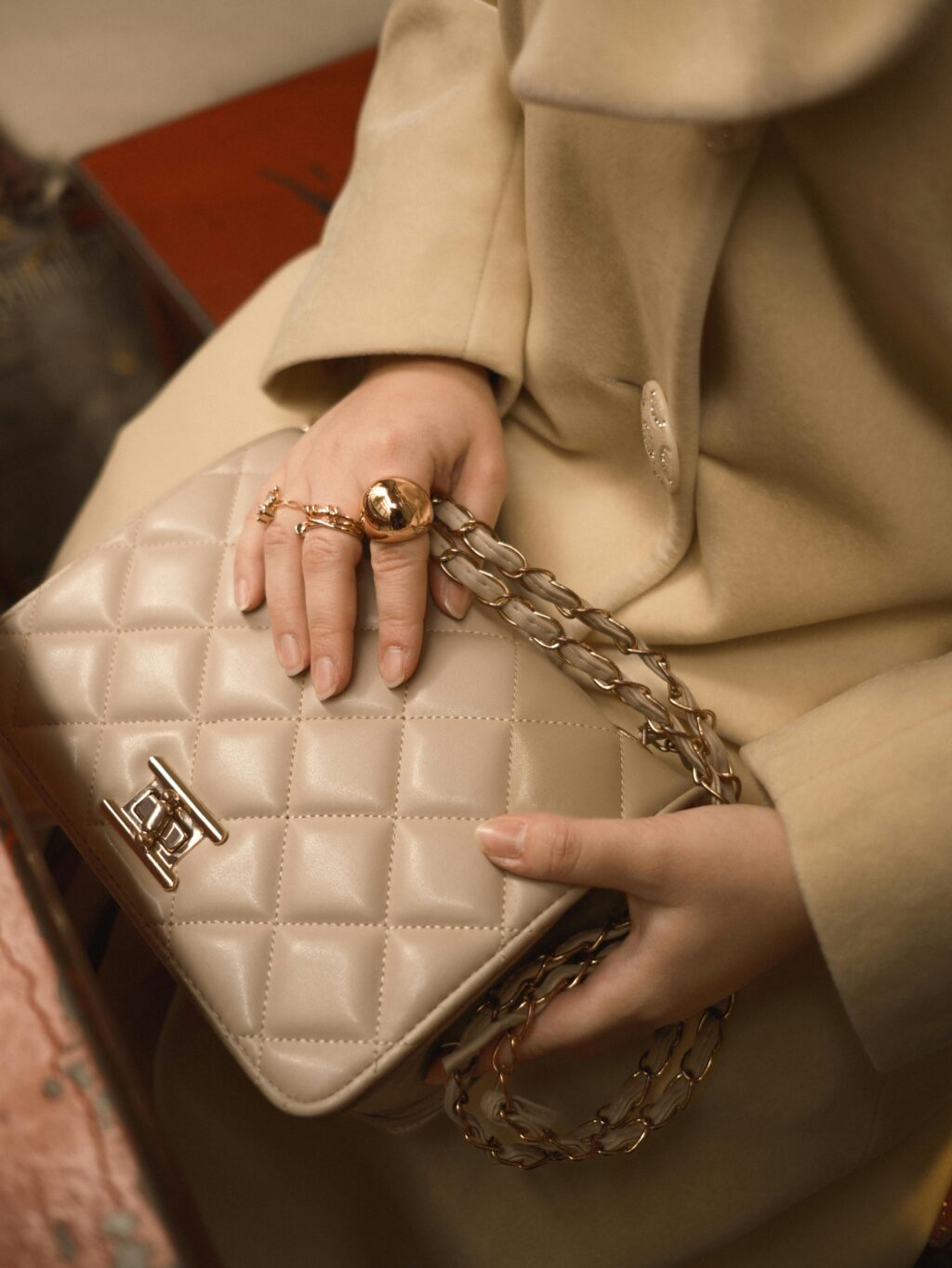
- Understanding GSM: Grams per Square Meter (GSM) is the universal metric used across the garment industry to evaluate fabric thickness, weight, and density.
- The Sourcing Metric: When browsing product specifications online, do not settle for thin fabrics. For foundational base layers like fine knit tops, heavyweight luxury tees, and piqué polos, prioritize a weight of 220 to 240+ GSM. For essential layering investments like cable-knit crewnecks, cardigans, and structured outerwear, target a substantial weight of 400+ GSM in noble natural fibers like merino wool, cashmere, or heavy organic cotton. High-GSM natural fabrics carry an elegant gravitational weight, dropping cleanly off your shoulder line to deliver a crisp, sharp outline.
2. Definitive Premium Outfits to Buy Today
To establish an effortless, highly interchangeable capsule wardrobe that maximizes your investment, bypass mass-market synthetic garments and anchor your shopping cart around these three foundational outfit formulas:
The Fine-Gauge Knit Polo & Tailored Pleated Trousers
This clean, structural baseline forms the ultimate foundation for daily luxury, emphasizing rich textile textures and sharp vertical lines.
- The Top: Look for premium sweater-knit or high-GSM piqué cotton-silk polos featuring a reinforced, rigid collar architecture that holds its shape. Stick to a timeless, heritage-inspired color palette: vintage cream, dark navy, charcoal grey, oxford white, and warm tan.
- The Bottoms: Pair the luxury knit top with fluid, straight-leg pleated trousers or thick twill chinos. A pleated front adds instant sartorial depth, providing a continuous vertical line that frames your footwear flawlessly.
The Textured Cable-Knit Sweater & Oxford Button-Down
An iconic, multi-dimensional layering combination that channels classic sophistication while offering ultimate physical comfort and a polished layout.
- The Base: Start with a rugged, structured Oxford Cloth Button-Down (OCBD) shirt as your foundational layer. Look for 100% long-staple cotton options with a substantial collar roll that stands up beautifully under knitwear.
- The Layer: Throw a substantial 400+ GSM cotton or wool cable-knit sweater over the button-down. Ensure the sweater features a tight, rigid ribbed waistband so it sits precisely at your beltline, beautifully balancing your physical proportions.
The Unstructured Twill Blazer & Straight Selvedge Denim
A masterclass in modern smart-casual dressing, this combination effortlessly bridges the gap between formal tailoring and relaxed daily wear.
- The Blazer: Choose an unstructured, unlined sport coat or blazer crafted from a heavy cotton-twill or rich linen-wool blend. An unstructured shoulder line provides a natural, elegant drape that looks relaxed yet inherently polished.
- The Bottoms: Complete the frame with a solid pair of straight-fit raw indigo selvedge denim or matte black jeans. Ensure your denim is entirely free of artificial rips, distressing, or heavy bleaching to keep the overall silhouette crisp and deliberate.
The Master Premium Style Sourcing Matrix
Use this comprehensive commercial matrix to ensure your core daily investments align perfectly:
| Outfit Objective | Base Top Layer | Outer Layering Piece | Chosen Bottoms | Recommended Footwear |
| The Elevated Minimalist | Silk-Cotton Knit Polo | None (Standalone) | Pleated Charcoal Trousers | Low-Profile White Leather Trainers |
| The Refined Academic | Oxford Cotton White Shirt | Cotton Cable-Knit Sweater | Straight-Leg Khaki Trousers | Classic Leather Loafers or Boat Shoes |
| The Texture Rich | Heavyweight Sand Tee | Luxury Suede Overshirt | Dark Indigo Selvedge Denim | Timeless Suede Chelsea Boots |
| The Coastal Resort | Breathable Linen Shirt | Tailored Unstructured Blazer | Straight Olive Cotton Trousers | Minimalist Leather Loafers |
3. Strict Style Rules for High-End Curation
Keep these three core guidelines in mind to ensure your brand purchases remain completely cohesive, elevated, and authentic:
- Steer Clear of High-Shine Synthetics: Completely avoid apparel constructed from significant amounts of low-grade polyester, acrylic, or cheap nylon. These fabrics trap perspiration, emit an artificial plastic shine under direct daylight, and quickly develop pills. Stick strictly to premium 100% organic cotton, linen, heavy twill, and noble wool blends.
- Enforce the Rule of Proportional Balance: While this aesthetic embraces relaxed comfort, avoid fits that cross over into looking sloppy or oversized. Ensure your shirts fit cleanly through the shoulders and chest, while your trousers should feature a classic straight or slim-straight drape. Pants should be hemmed to rest cleanly right above your footwear with a minimal break line.
- Coordinate Leather and Hardware Tones: Paying close attention to minor, understated details yields massive style dividends. Always match the color family of your leather accessories (like your belt and watch strap) with your footwear (e.g., pairing a dark brown leather belt with dark brown leather loafers). Keep your metals cohesive across your outfit—such as matching a silver watch strap with a silver belt buckle—to ensure your overall look stays beautifully unified.
Ready to completely eliminate morning decision fatigue, avoid costly wardrobe mistakes, and command immediate style status? Explore our freshly debuted, masterfully engineered casual essentials collection. Shop the best premium style staples today to secure timeless, ultra-comfortable wardrobe upgrades built for the modern lifestyle icon.
Frequently Asked Questions
What distinguishes premium style from standard casual wear?
Premium style distinguishes itself through an absolute absence of visible logos, loud branding, or flashy graphic prints. The style relies entirely on custom-engineered fits, premium natural fiber compositions (like silk, cashmere, and long-staple organic cotton), and heavy fabric weights (240+ GSM) that drape beautifully and look effortlessly sophisticated.
What does GSM mean, and why should I check it before buying?
GSM stands for Grams per Square Meter and measures fabric thickness and density. Sourcing apparel with a high GSM is crucial because heavyweight fabrics provide a structural drape, hold a sharp silhouette away from the body, and offer superior long-term durability compared to thin materials.
Why are natural fibers preferred over synthetic materials like polyester?
Natural fibers like organic cotton, silk, and wool offer superior breathability, skin comfort, temperature regulation, and deep matte textures. Synthetic fibers like polyester tend to trap body heat, hold unpleasant odors, and emit an artificial plastic shine under direct daylight that instantly compromises a sophisticated look.
Should I purchase oversized clothing to achieve a modern relaxed look?
No. Premium labels design their garments with an intentional, built-in relaxed or boxy fit—featuring dropped shoulder lines and slightly wider chest measurements—while keeping the body length perfectly proportional. Buying standard clothes in a larger size results in a sloppy, ill-fitting silhouette rather than a refined drape.
What is the proper way to maintain heavy cotton and wool knitwear?
Always turn garments completely inside out before washing to protect the textile surface. Machine wash on a gentle, cold-water cycle with mild liquid detergent, or hand wash wool pieces. Never hang heavy wet sweaters on a hanger as the weight will stretch them out of shape permanently; instead, lay them flat on a towel to dry away from direct heat.




Add comment