

Navigating the commercial market to build a classic, heritage-inspired wardrobe can be incredibly difficult. While many brands attempt to capture the aesthetic, the retail space is filled with low-quality imitations that miss the mark. Authentic old money outfits are built on a strict design philosophy known as “structural casuals”—a strategy that prioritizes heavy fabric weights, noble natural fibers, and tailored geometric lines over fleeting fast-fashion trends.
The most common luxury purchasing errors occur when buyers select lightweight garments that mimic the aesthetic but sag, warp, and pill within months. To ensure your wardrobe investments yield a truly high-end, timeless look, you must learn to identify and avoid these critical manufacturing flaws. This transaction-ready guide details the top mistakes to avoid when shopping and outlines the core fabric benchmarks to look for before hitting the checkout button.
1. The Core Variable: Flimsy Fabric Construction & Low GSM
The single greatest mistake made when sourcing heritage apparel is overlooking fabric density. Thin, lightweight garments lack structural integrity; they collapse flat against the physical frame, wrinkle aggressively under daily movement, and look cheap under natural daylight.
- Understanding GSM: Grams per Square Meter (GSM) is the universal textile metric used to evaluate fabric thickness, weight, and overall density.
- The Sourcing Metric: When evaluating product descriptions online, never compromise on fabric weight. Cheap casual shirts often fall under 160 GSM, causing them to lose their shape immediately. For foundational pieces like knit tops and luxury piqué shirts, prioritize a density of 220 to 240+ GSM. For essential layering pieces like knit crewnecks, cardigans, and hoodies, target a substantial weight of 400+ GSM in tight-gauge cotton, merino wool, or pure cashmere. Heavy natural fabrics carry an elegant gravitational hang, dropping cleanly off your shoulder line to maintain a crisp, sharp outline.
2. The 3 Most Expensive Sourcing Mistakes to Avoid
To build a highly versatile, interchangeable casual rotation that maximizes your wardrobe budget, eliminate these common retail traps from your shopping habits:

Mistake 1: Investing in High-Shine Synthetic Fiber Blends
One of the most frequent retail errors is buying classic-looking knitwear or trousers that contain high percentages of polyester, acrylic, nylon, or rayon.
- The Flaw: While synthetic blends are cheaper to manufacture, they trap body heat, hold unpleasant odors, and quickly develop pills after a few wears. Most importantly, synthetics emit an artificial plastic shine under direct sunlight that instantly cheapens the look of your outfit.
- The Fix: Check the inner care labels or online product specifications before purchasing. Stick strictly to premium, matte-textured natural fibers like 100% organic long-staple cotton, mulberry silk, merino wool, cashmere, and high-density linen.
Mistake 2: Falling for Brand Signaling and Visible Logos
Many buyers confuse “luxury branding” with “timeless style,” purchasing garments simply because they feature a recognizable designer emblem, crest, or graphic print.
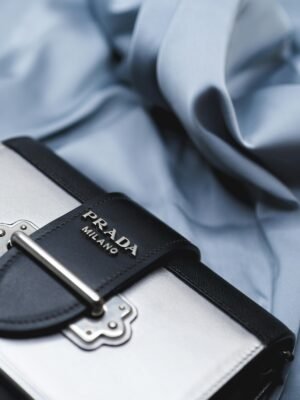
- The Flaw: The absolute core philosophy of old money styling is total anonymity and quiet sophistication. Large graphic prints or prominent designer labels disrupt clean lines, look loud, and run completely counter to the stealth-wealth aesthetic.
- The Fix: Shift your investment toward unbranded, minimalist premium labels. Focus your budget entirely on the quality of the raw materials, the strength of the stitching, and the elegance of the drape rather than a visible logo.
Mistake 3: Accepting Flimsy Collar and Waistband Architecture
A subtle but critical structural failure in fast-fashion items is weak, unreinforced ribbing on collars, cuffs, and waistbands.
- The Flaw: When a polo collar loses its rigidity, it collapses flat under a jacket, creating a sloppy appearance. Similarly, when a hoodie or sweater features a loose, stretched-out waistband, the garment hangs down like a tunic rather than folding over neatly at the beltline, completely disrupting your physical proportions.
- The Fix: Look for shirts featuring reinforced, double-stitched collar stands and knitwear with tight, rigid ribbed waistbands. This ensures the garments sit precisely where they are supposed to and hold their shape through repeated daily wash cycles.
The Old Money Outfits Sourcing Correction Matrix
Before completing your next seasonal wardrobe upgrade, use this comprehensive matrix to audit your shopping cart and swap out low-grade fast fashion for premium investments:
| Avoid This Sourcing Flaw | The Visual Failure | The Premium Upgrade | Target Fabric Metric | Recommended Companion Footwear |
| Thin Synthetic Tees | Collapses flat, wrinkles easily, traps heat | Heavyweight Organic Cotton Tee | 220 to 240+ GSM Cotton | Low-Profile White Leather Trainers |
| Floppy Performance Polos | Sagging collar lines, artificial plastic shine | Silk-Cotton Knit Sweater Polo | Reinforced Rigid Collar Construction | Luxury Suede Lifestyle Loafers |
| Lightweight Acrylic Hoodies | No shoulder shape, pills quickly, sags low | 400+ GSM Loopback French Terry | 100% Cotton / Cashmere Blend | Retro Leather Mesh Runners |
| Thin Synthetic Chinos | Clings to the leg, pooling heavily at ankles | Heavy Structured Cotton Twill Trousers | Straight-Leg / Tailored Pleated Fit | Minimalist Matte Leather Loafers |
3 Strict Buying Rules for Sourcing Classic Style
Keep these three core guidelines in mind to ensure your brand purchases remain completely cohesive, elevated, and authentic:
- Enforce the Rule of Proportional Balance: Because contemporary heritage fashion embraces relaxed and roomy cuts, avoid wearing loose, billowing items on both your top and bottom halves at the exact same time. If your knit sweater or tee is exceptionally large and boxy, balance the visual weight below with a neat, straight-leg trouser rather than loose, baggy sweatpants.
- Verify Perfect Footwear Break Lines: Your choice of trousers and footwear must interact seamlessly. Avoid trousers that are too long and pool loosely around your ankles, creating a sloppy silhouette. Ensure your trousers are tailored and hemmed to rest cleanly right above your footwear with a minimal break line. Always opt for classic, low-profile shapes like minimalist leather trainers or suede loafers.
- Coordinate Leather and Hardware Tones: Paying close attention to minor, understated details yields massive style dividends. Always match the color family of your leather accessories (like belts, bags, and watch straps) with your footwear (e.g., matching a matte brown leather belt with dark brown suede loafers). Keep your metals cohesive across your outfit—such as matching a silver watch strap with a silver belt buckle—to ensure your overall look stays beautifully unified.
Ready to completely eliminate morning decision fatigue, bypass cheap fast-fashion errors, and command immediate style status? Explore our freshly debuted, masterfully engineered casual essentials collection. Shop the best premium old money outfits staples today to secure timeless, ultra-comfortable wardrobe upgrades built for the modern lifestyle icon.
Frequently Asked Questions
Why are visible designer logos considered a mistake in old money style?
The core philosophy of old money outfits is quiet luxury and understated elegance. Visible logos, flashy branding, and large graphic prints shift the focus away from premium craftsmanship and turn the garment into loud brand signaling, which cheapens the overall aesthetic.
What does GSM mean, and why is it a critical metric when shopping?
GSM stands for Grams per Square Meter and measures fabric thickness and density. Sourcing apparel with a high GSM is crucial because heavyweight fabrics provide a structural drape, hold a sharp tailored silhouette away from the body, and offer superior long-term durability compared to thin materials.
Can I buy synthetic fabrics if they look identical to natural fibers online?
No. While synthetic fabrics like polyester or acrylic can look similar in heavily edited product photos, they behave completely differently in person. Synthetics lack breathability, trap body heat, develop pills rapidly, and emit an artificial plastic shine under direct daylight that immediately looks low-quality.
How can I tell if a knit polo shirt collar is high quality before buying it?
Look for product details specifying a ‘reinforced collar stand’ or a ‘sweater-knit collar.’ High-quality luxury polos use double-stitching or high-density knitting techniques around the neck seam to ensure the collar maintains a rigid, upright shape and refuses to flip or flatten over time.
What is the best way to clean high-GSM organic cotton tops to prevent shrinking?
To fully protect your premium cotton clothing investments, turn the garments completely inside out before washing to safeguard the exterior texture. Machine wash on a gentle, cold-water cycle using a mild liquid detergent, and lay them flat to air dry away from direct heat or sunlight to eliminate the risk of shrinking.





Add comment